From Engine Components to Pit Jacks: WS Maranello Uses ENCY
Orders at WS Maranello range from engine oil-system components and chassis parts to pit jacks for Formula 1 teams. The Italian manufacturer works with customers including Scuderia Ferrari and uses ENCY to program the turning and milling operations needed to produce its parts.
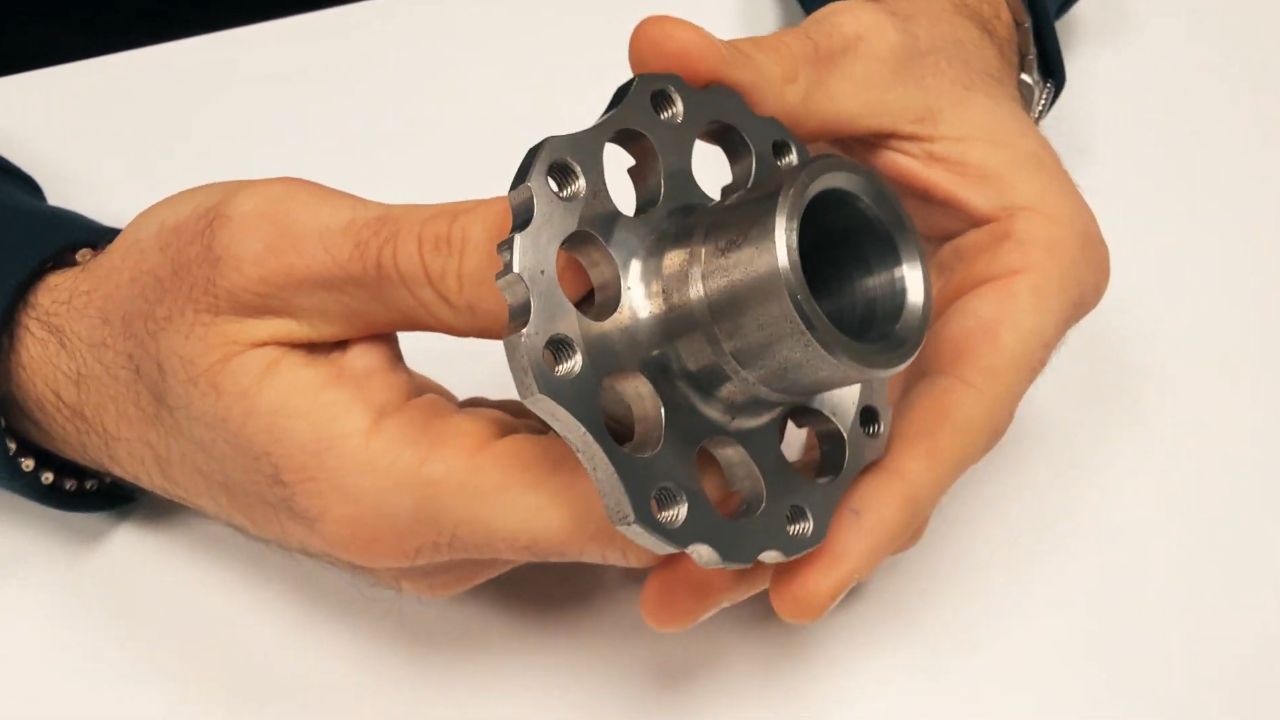

Manufacturing for Motorsport
WS Maranello was founded in 2004, when three partners started a welding business in Italy’s Motor Valley. The company subsequently added CNC machining and expanded its work with racing teams and vehicle manufacturers.
Today, its customers compete in Formula 1, GT racing, the World Endurance Championship, rallying, and motorcycle racing. Projects include engine and chassis components, parts for water and oil circulation systems, and custom hardware built to individual customer specifications.
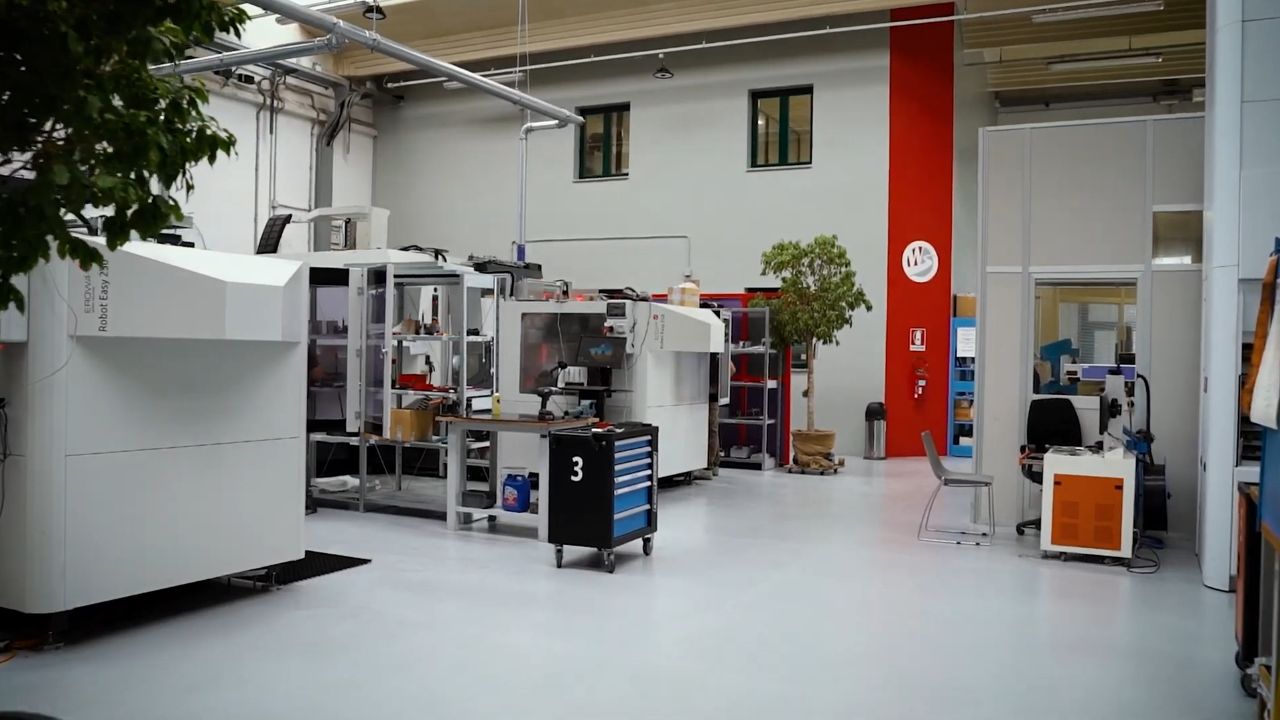

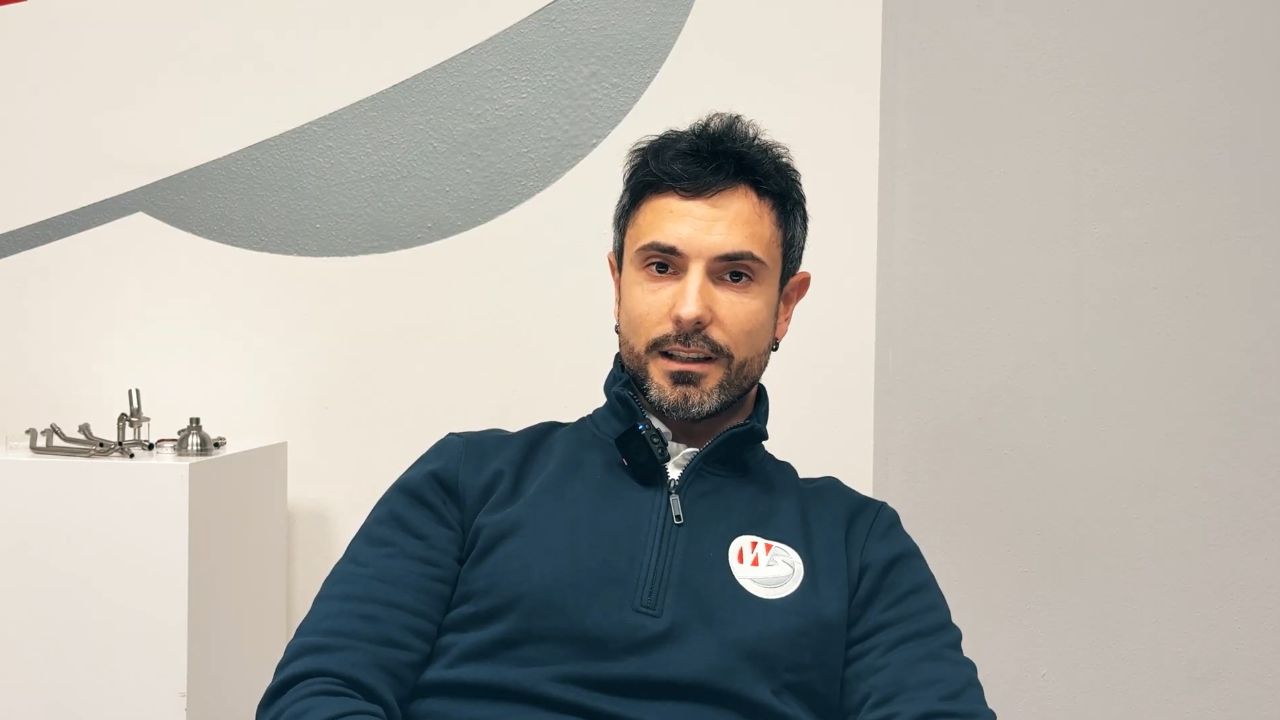
Pit jacks are another established part of the business. WS manufactures them to racing teams’ designs and also works with customers on joint development. During a Formula 1 pit stop, the jack must lift the car quickly and operate reliably. Co-owner Daniele Prandini emphasizes the importance of component fit and manufacturing precision in achieving that performance.
For Prandini, the company’s competitive position also depends on how it handles an order. Responsiveness, efficient production, and service matter alongside the finished hardware. He sees manufacturing technology and CAM software as essential to delivering that combination.
Turning, Milling, and Twin-Spindle Machining
The shop operates three-axis and five-axis vertical machining centers, CNC lathes, and automated twin-spindle machines with live tooling.
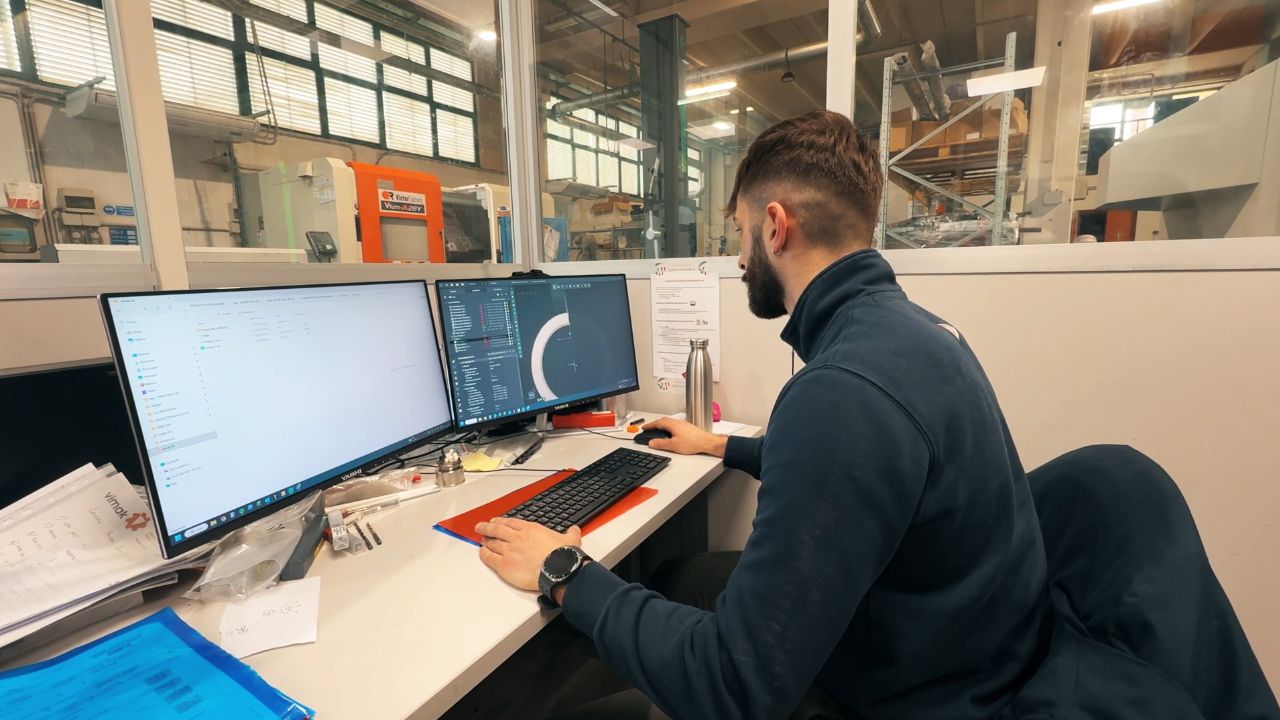

ENCY is used to prepare both turning and milling operations. Prandini specifically highlights programming work that includes transferring a part between spindles, taking the job from the initial process study through to the finished component.
On a twin-spindle machine, the machining sequence extends beyond the operations performed in the main chuck. The workpiece passes to the subspindle so that subsequent features can be machined from the opposite end. Preparing the job requires the programmer to account for both workholding positions and the transfer between them.
At WS Maranello, machine simulation provides a view of the complete setup. The ENCY model includes the main spindle, subspindle, chucks, turret, and cutting tools, allowing the programmer to review the machining sequence in the context of the equipment that will run it.

This is part of the company’s everyday use of CAM across a varied range of components. A new job can call for a different combination of turning, drilling, and milling, with its own tooling and operation sequence.
Becoming Independent in ENCY
Giulio Di Gregorio works as a programmer and five-axis machining center operator at WS Maranello. He uses ENCY for both milling and turning.
Online courses and technical support helped him get started. After approximately two months, he was programming independently. Based on his experience with other CAM systems, he found ENCY quicker to learn.
His experience reflects one of Prandini’s priorities when evaluating software: the team should be able to learn it, prepare operations efficiently, and make changes without spending unnecessary time navigating the system.
What Matters on the Shop Floor
WS Maranello continues to invest in its manufacturing capabilities, and Prandini expects its software to develop with them. Ease of use, responsiveness, and regular updates are central to his view of an effective CAD/CAM system.
He credits ENCY with contributing to the development of the company’s machining department. Its role covers the practical work behind the components WS supplies: planning operations, preparing toolpaths, and reviewing machine movements before the job reaches the CNC control.