
How to Cut Manual Finishing on Milled Surfaces in Foundry Tooling: The Modell- und Formenbau Christian Schmidt Story
Categories: Blog

In foundry tooling, there’s a simple reality check that never fails on the shop floor. If a part needs a lot of manual “rescue work” after milling, the root cause is usually not the machine and not the cutter. It’s earlier — at the preparation stage: toolpath strategy, stepovers, stock allowance, setups, and the way all of this turns into actual NC code.
When the surface finish is not acceptable, the reason usually sits in one of a few common places:
- The machining strategy doesn’t match the real geometry.
- Stepover and finishing parameters don’t deliver the required finish on freeform surfaces.
- Stock allowance is wrong (or left in the wrong areas).
- The job is split into setups in a way that forces some surfaces to be machined from an awkward orientation.
- The postprocessor and machine configuration generate a result that is not correct for that specific machine.
If you control these points, surface quality becomes predictable. And that’s exactly what matters most in foundry tooling: a stable, repeatable production outcome.
Modell- und Formenbau Christian Schmidt ran into the same thing many foundry tooling shops face: parts were getting more complex, but the project schedule wasn’t giving them extra time for manual finishing.
When Complexity Becomes the Default
Modell- und Formenbau Christian Schmidt is a family-owned company in Germany working in foundry tooling and pattern equipment. Their day-to-day work includes pattern equipment for molding (foundry patterns), pattern plates, and core boxes, as well as process tooling and inspection fixtures.
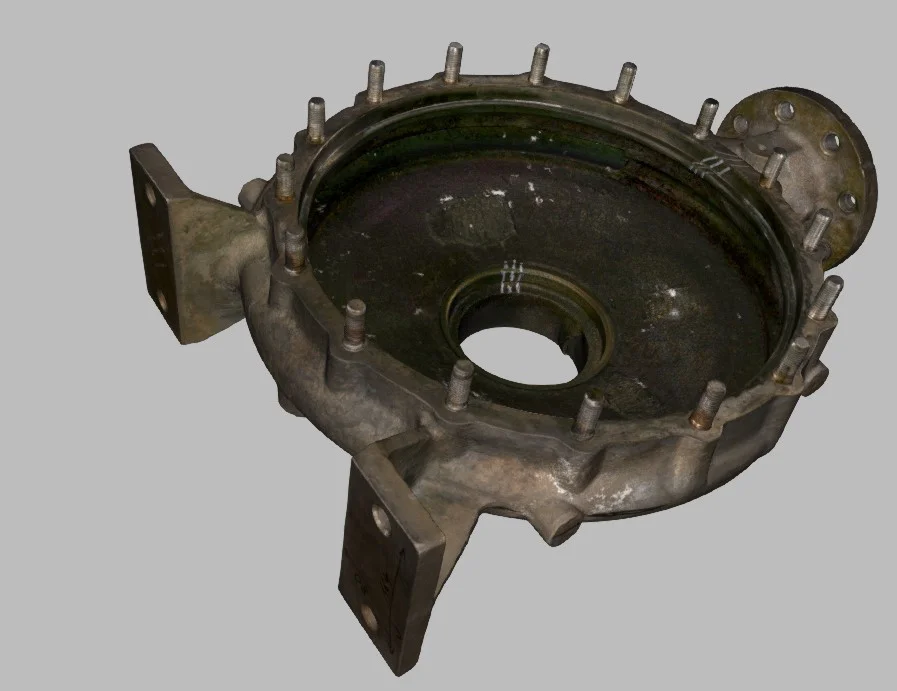
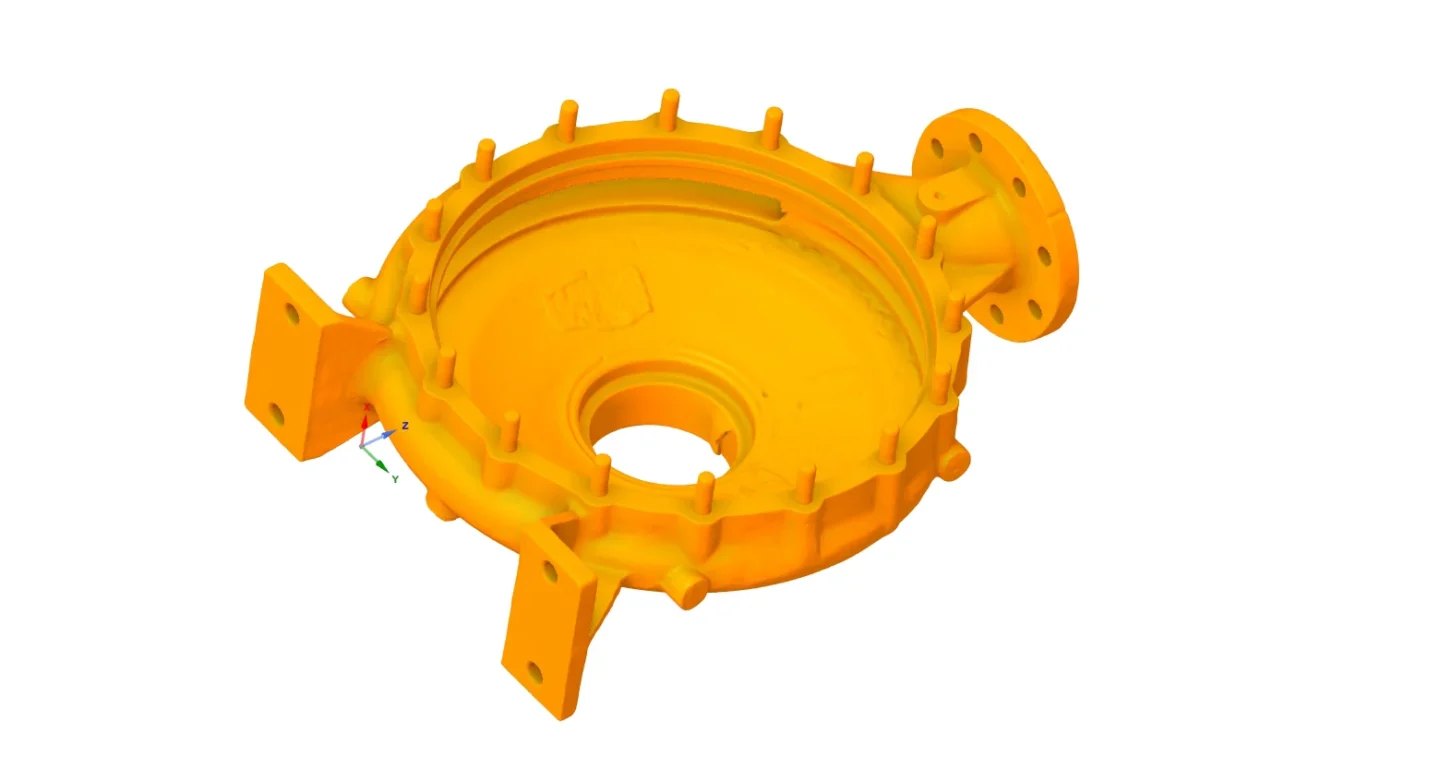
Over the last few years, they saw more jobs with complex geometry and “live” input data coming from real parts: 3D scanning, reverse engineering, more 3D contours, and more freeform surfaces — where even a small mistake quickly turns into hours of manual work.
Once complexity becomes the default, two problems show up fast:
- Programming speed: CAM programming takes longer because you need more checks and more iterations. Meanwhile, the job flow stays busy, and redoing CAM multiple times is expensive.
- Surface finish risk: if the finish is not right, manual rework eats the schedule and makes planning unpredictable. Any inaccuracy or wrong decision shows up at the worst moment — after material has already been removed.
At some point, this stops being “normal workshop friction” and turns into a constant delivery risk.
The Turning Point: Changing the CAM Approach
As geometry got more demanding, requirements for CAM went up with it. If the strategy is not right, the stepover doesn’t land, stock is left incorrectly, or a setup is inconvenient, the result is almost always the same: additional manual finishing.
That’s the part of the process the company decided to stabilize. They switched to ENCY with two practical goals:
- produce NC programs faster;
- get a cleaner milled surface directly from machining.
What Changed in Day-to-Day Production
The first thing they noticed was speed. Programs started to come together faster, and it showed in daily work: fewer unnecessary steps and fewer attempts to “get it right” on the second or third try.
The second change was surface quality. In foundry tooling, that directly determines how many hours go into manual finishing. After moving to ENCY, they reported a cleaner result and fewer cases where the surface had to be “rescued” by hand after milling.
Third was accuracy and predictability. Where the team previously had to build in extra safety time, the process became clearer and easier to control.
And fourth — important not only for management, but for the whole team — the system felt more logical in daily use. That affects ramp-up time: people get to stable output faster.
They describe the change in plain words:
“ENCY lets us move from the long-established, familiar way of machining to milled surfaces that are ‘ready right away’.”
In foundry tooling terms, this means something very specific: the surface coming off the machine more often matches what it should be, and manual finishing goes down.
Why This Case Is Not Just About Software
CAM is almost never implemented “in a vacuum.” What matters in practice is how fast a company gets real results on its own equipment — with its kinematics, limits, and the kinds of jobs it runs every day.
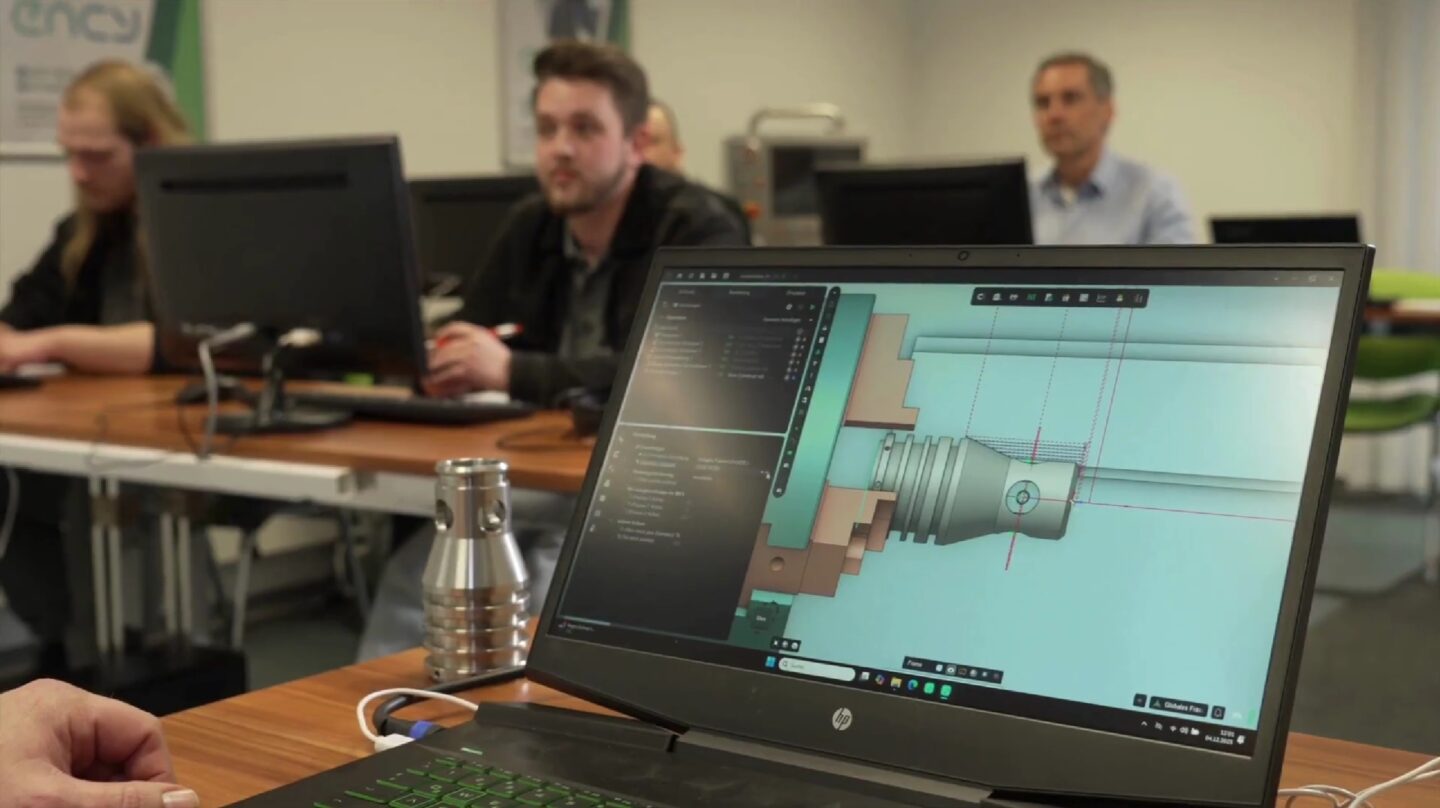
A key role here is played by the partner Datentechnik Reitz. Their value is not “sell and install.” Customers choose them because they bring not only the product, but what turns the product into a working outcome.
What They Add Beyond Implementation
1) Service that ends with a running production process — not with installation.
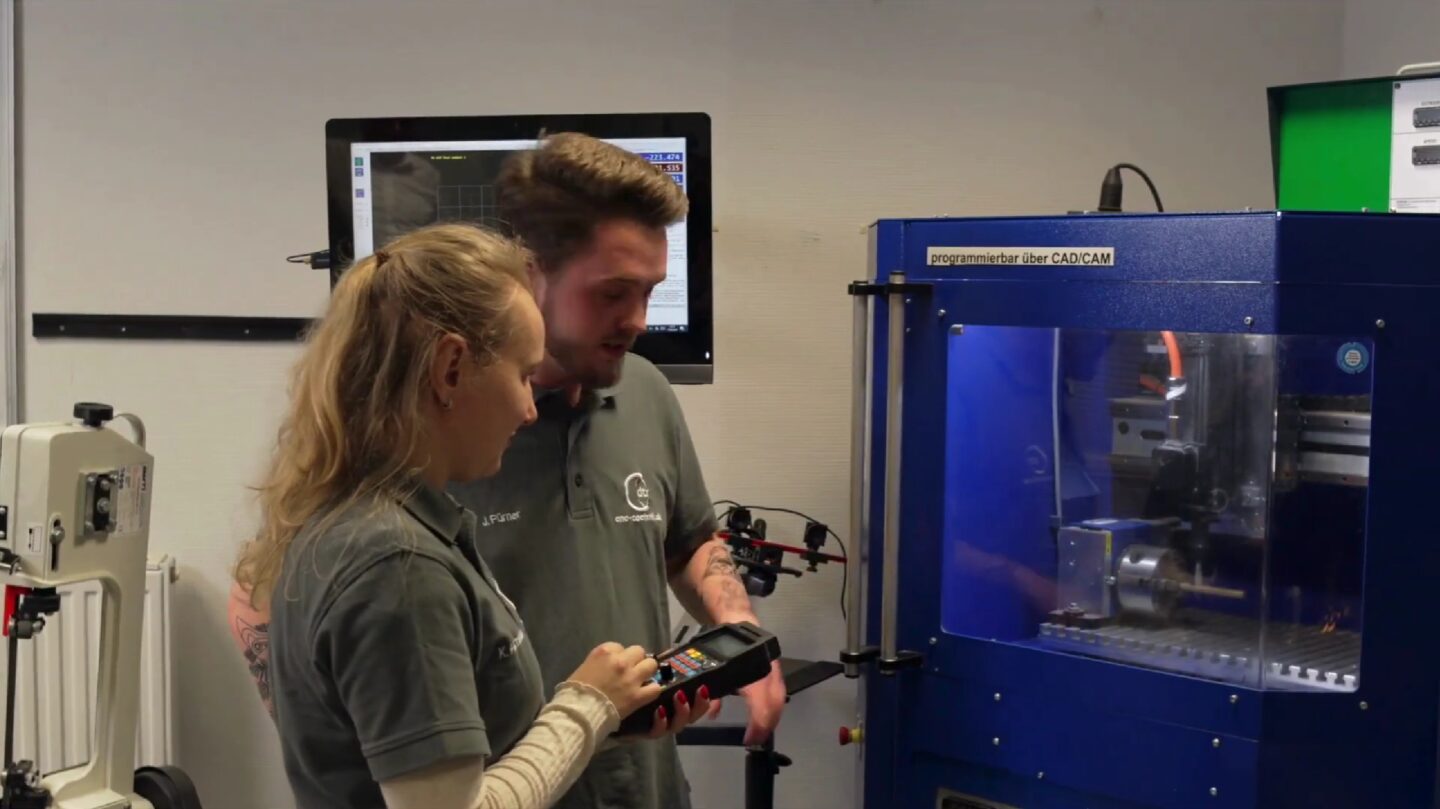
Setup for the customer’s machine fleet, work on real jobs, and hands-on support at the start — so the “first good part” arrives quickly and without surprises.
2) In-house assets that save weeks.
Over their history, Datentechnik Reitz developed more than 2,000 postprocessors and over 1,200 machine models. This is not a collection for its own sake. It answers the toughest implementation question: “Will it run correctly on our machine?”
3) A machine library that accelerates go-live.
Their library of machine models and postprocessors is available to the community: ready-to-use items can be taken immediately, and missing ones are created on request. Temporary or project-based models and posts are also available when a specific job needs to be closed quickly. The key point is that these are validated in real production — not only in theory.
For the customer, the meaning is straightforward: less time spent building the CAM “surroundings” (models, posts, configurations), and more time spent on the actual machining process and parts.
Why This Works Especially Well in Foundry Tooling
From the outside, you could say: “they switched to another CAM system.” Inside the shop, much more changes.
Foundry tooling is not a steady stream of identical parts. It’s full of one-offs and small batches, freeform surfaces, and unusual geometry. That’s why the CAM process must be:
- fast to prepare, so programming doesn’t become the bottleneck;
- stable in surface quality, so manual finishing doesn’t consume the schedule;
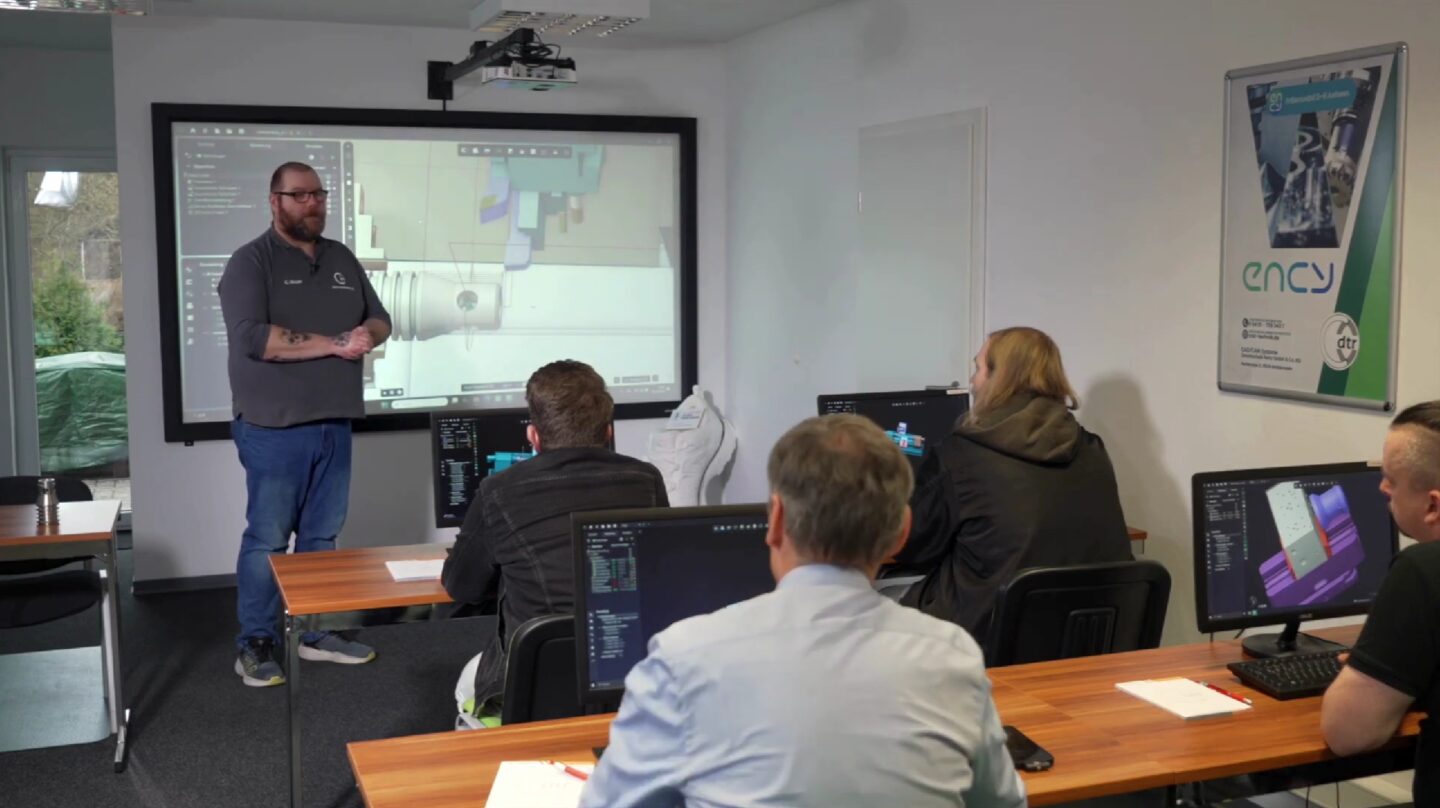
- understandable for the team, so output doesn’t depend on one key person.
In their experience, the combination “ENCY + a partner who provides proven, ready-to-use machine-specific solutions” covers exactly these three requirements.


No results available

Go beyond CAD/CAM

Back to top