
Behind a Formula 1 Pit Stop: Five-Axis Machining with ENCY
Categories: Blog
A Formula 1 wheel change takes only a few seconds. The mechanic has to remove the wheel nut, change the wheel, and tighten the nut again. The socket must engage immediately, while the wheel gun must deliver the required torque reliably every time.
The equipment used during those few seconds is designed and manufactured long before the race begins. Inside every wheel gun are precision-machined parts, airflow channels, electronic components, and mechanical assemblies, each with a specific role.
Dino Paoli and Motorsport
Based in Reggio Emilia, Italy, Dino Paoli develops and manufactures professional pit stop equipment.
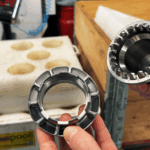
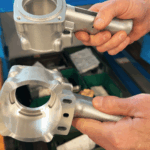
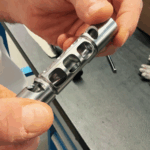
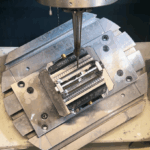
The company was founded in 1968 as a producer of pneumatic impact wrenches for the automotive industry. Its Formula 1 story began in 1975, when Dino Paoli convinced Enzo Ferrari to introduce Paoli pneumatic wheel guns to the racing series.
Today, Dino Paoli supplies products to more than 90 countries. Motorsport remains one of its core areas of expertise. The company develops pneumatic, electric, and mechatronic systems and works directly with racing teams, technical departments, and trackside mechanics.
Feedback from the people who use the equipment helps Dino Paoli refine its products and account for real racing conditions from the earliest stages of development. The company supplies equipment to both Formula 1 teams and teams competing in endurance racing.
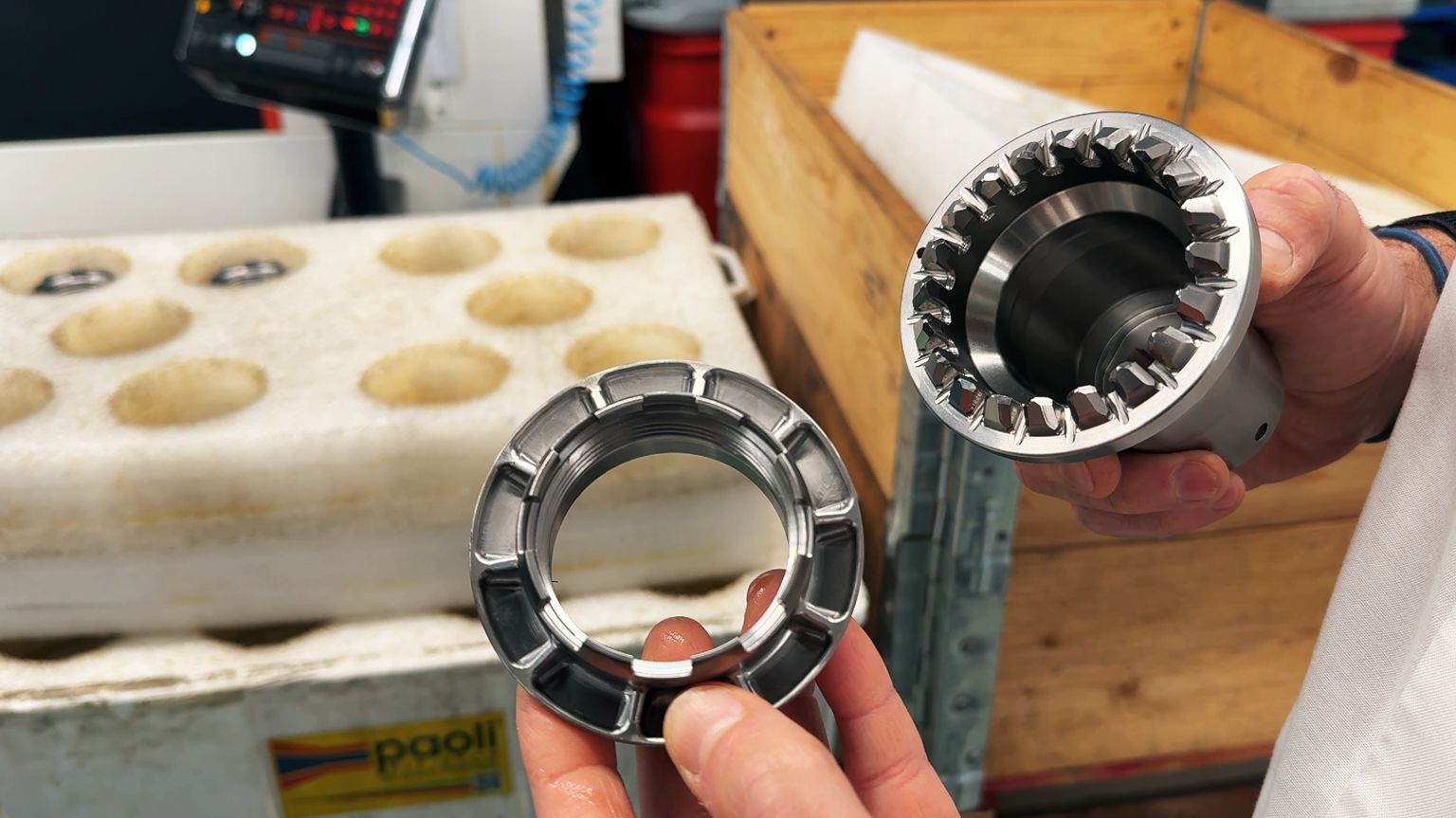
One example is a wheel nut and matching socket developed for the Porsche 963, which competes in the IMSA SportsCar Championship and the FIA World Endurance Championship.
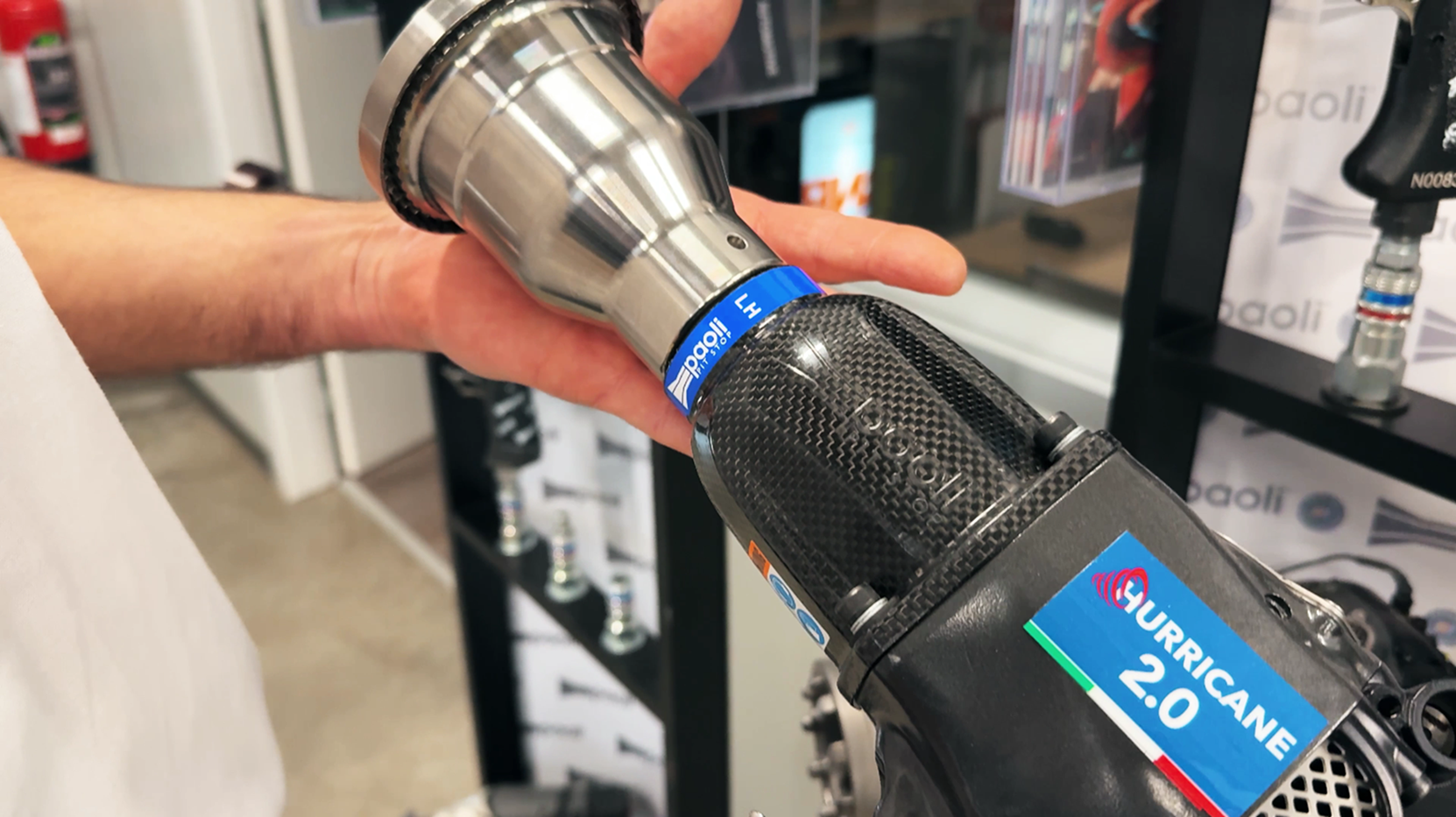
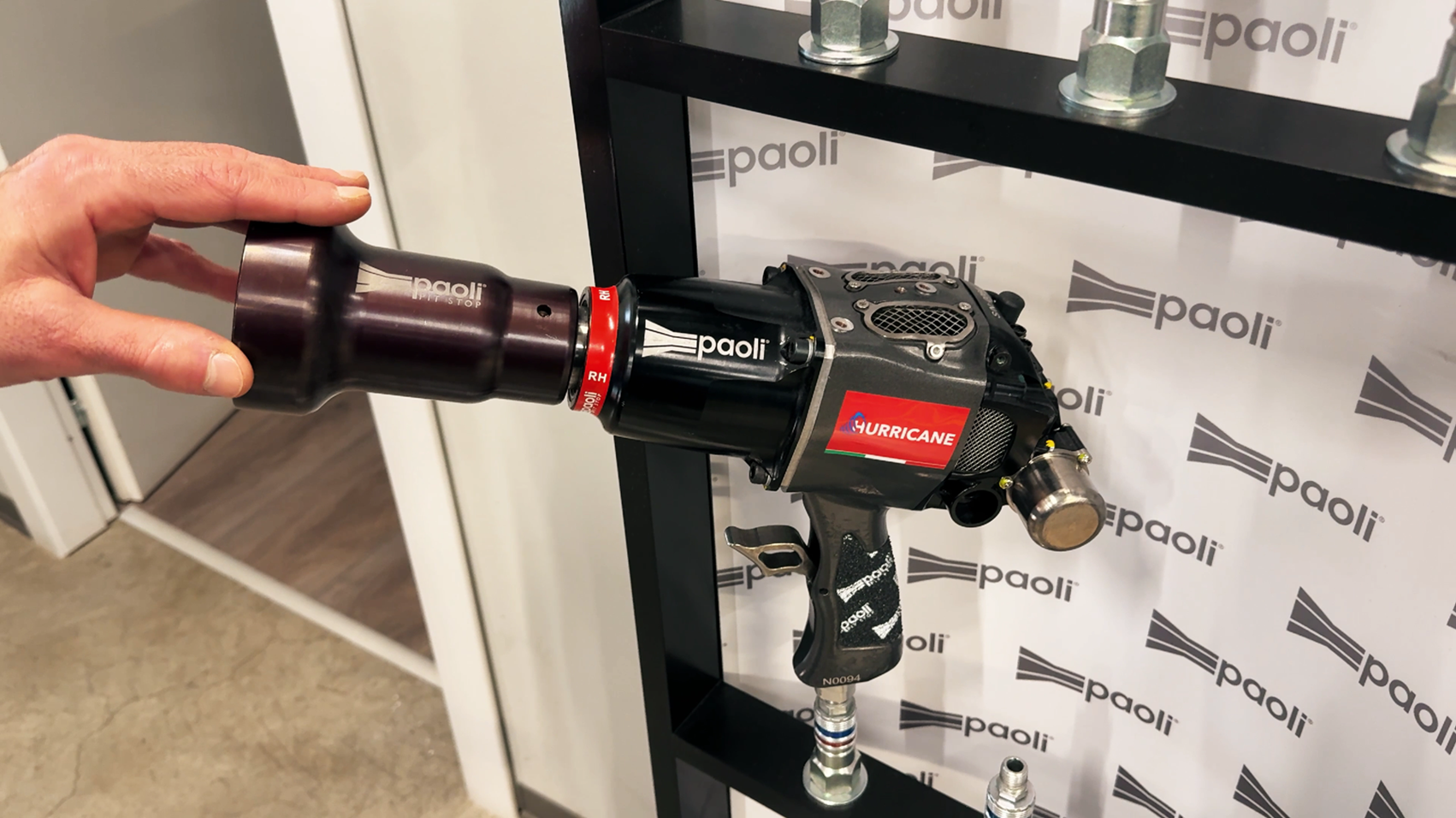
The wheel nut secures the wheel to the car, while the socket connects it to the wheel gun. During a pit stop, the mechanic must engage the components in a single quick movement. The connection must transfer the torque generated by the wheel gun and withstand repeated use throughout a race.
The wheel nut developed for the Porsche 963 is made from titanium, while the matching socket is produced from aerospace-grade steel. The materials and geometry were selected to provide the required balance of strength, low weight, and durability.
From Raw Material to the Hurricane 2.0
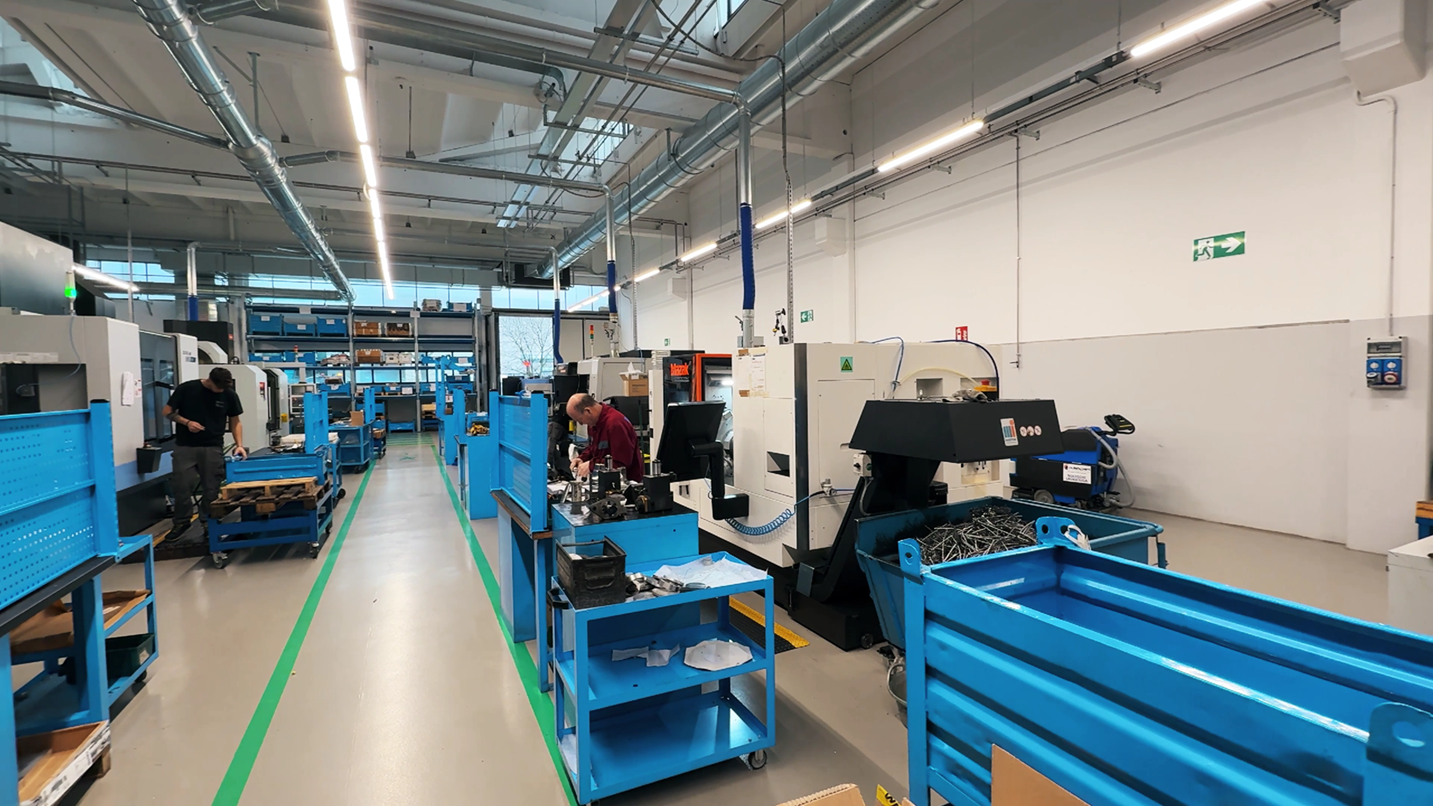
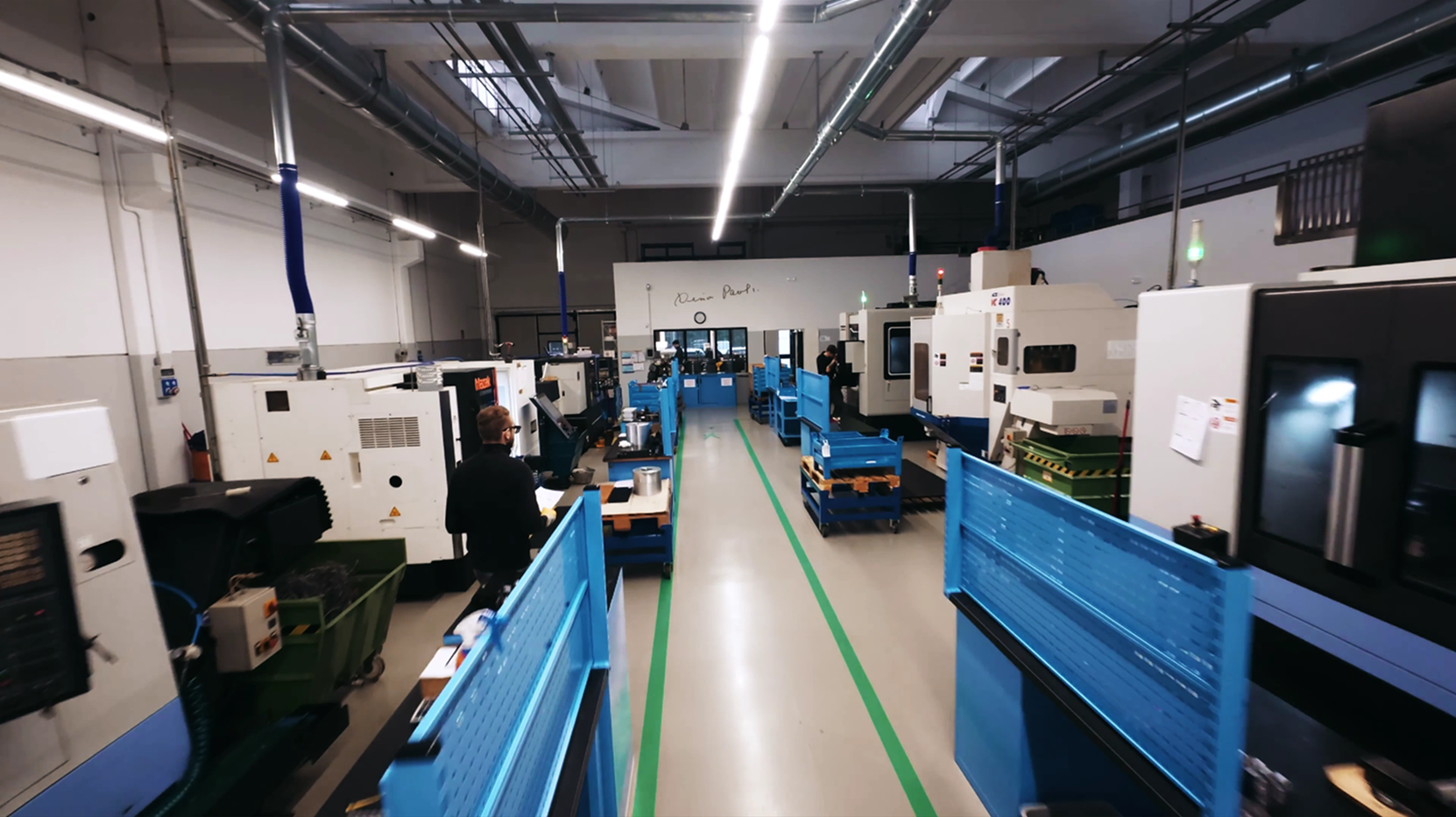
Dino Paoli manufactures many of the components used in its wheel guns and other pit stop equipment in-house.
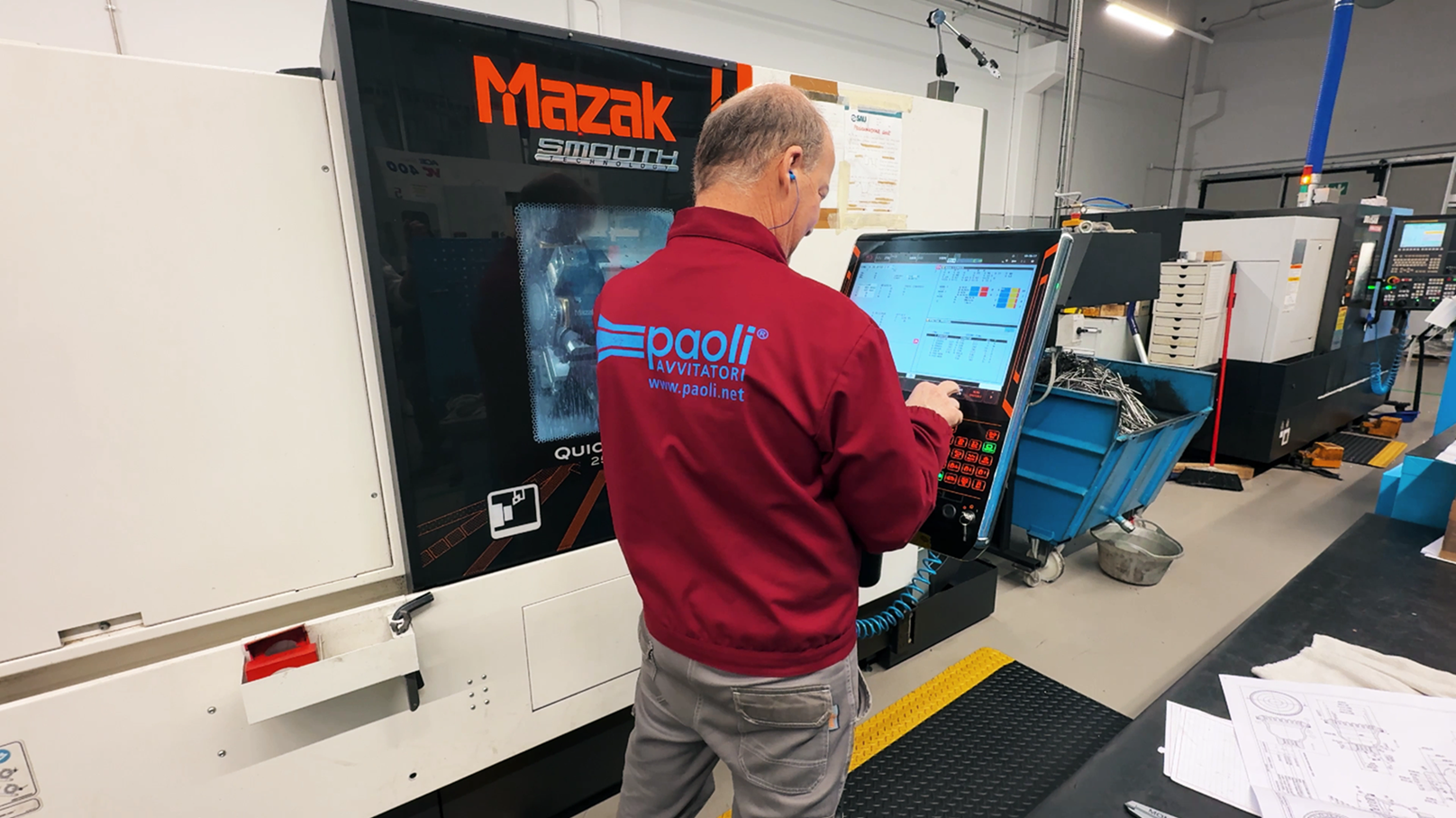
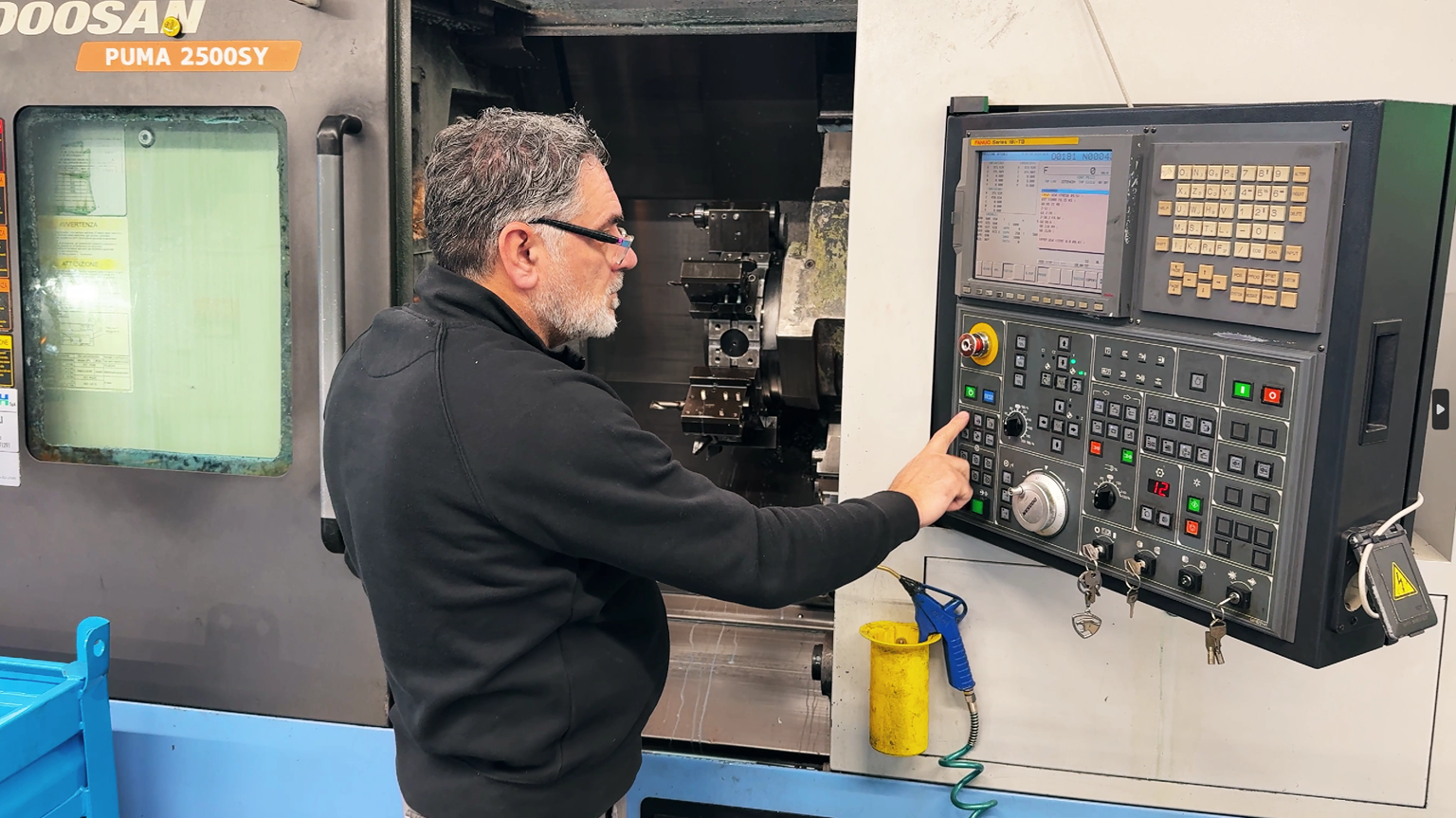
Its production facilities include four-axis and five-axis machining centers, lathes, and equipment for inspection, assembly, and testing. The company operates machines from Mazak, Doosan, and Quaser, while its quality-control department uses Mitutoyo measuring equipment.
Keeping these processes in-house allows the engineering and production teams to work closely with the same component throughout its development. A part can be designed, machined, measured, assembled, tested, and adjusted without moving the project between several external suppliers.
This is especially important when equipment is developed together with racing teams. Feedback from trackside mechanics can be incorporated directly into both the design and manufacturing process.
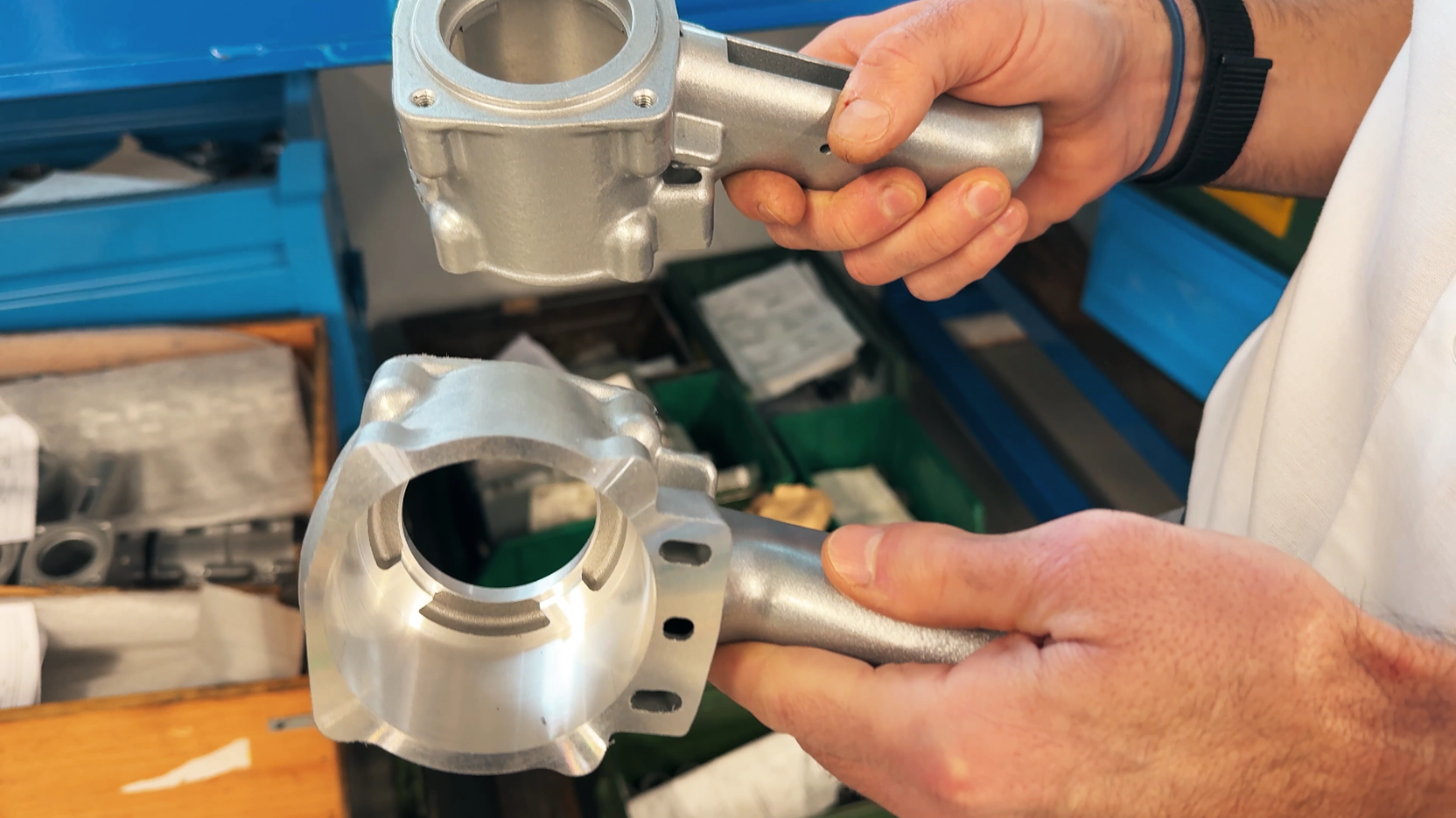
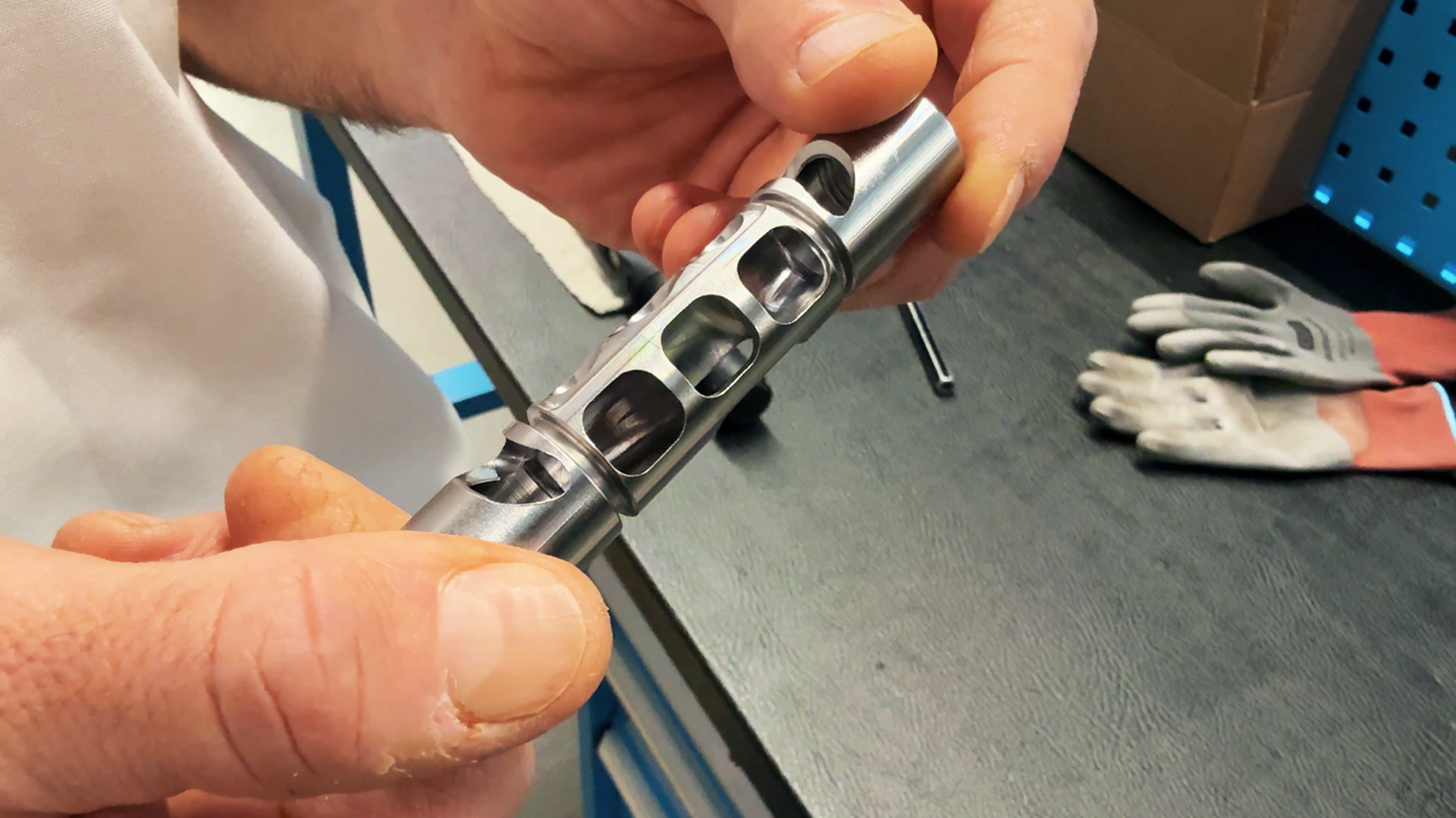
One of Dino Paoli’s key products is the Hurricane 2.0 wheel gun used by Formula 1 teams. It contains complex internal components that control the flow of air through channels inside the tool. This airflow directly affects the power and operation of the wheel gun.
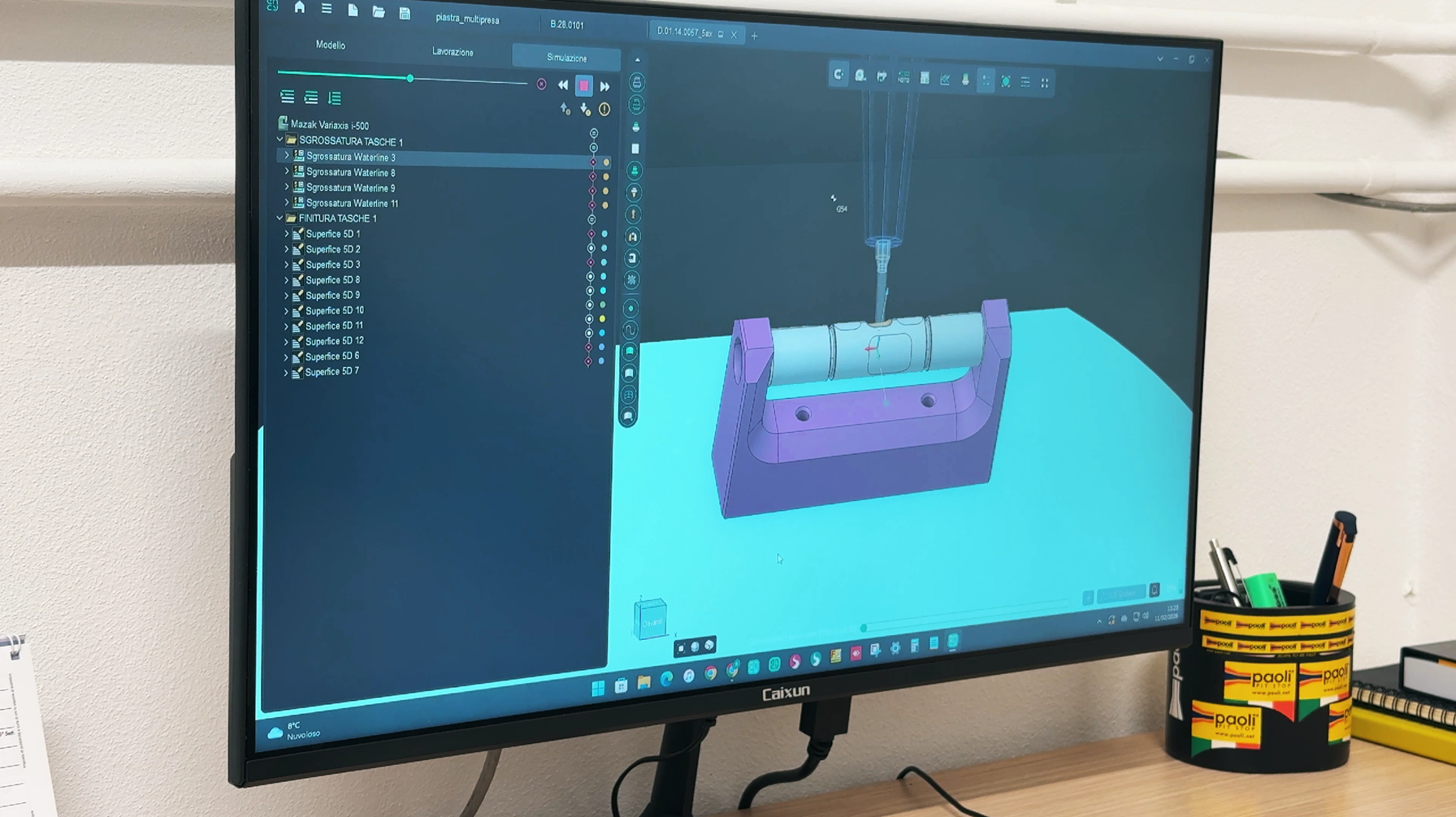
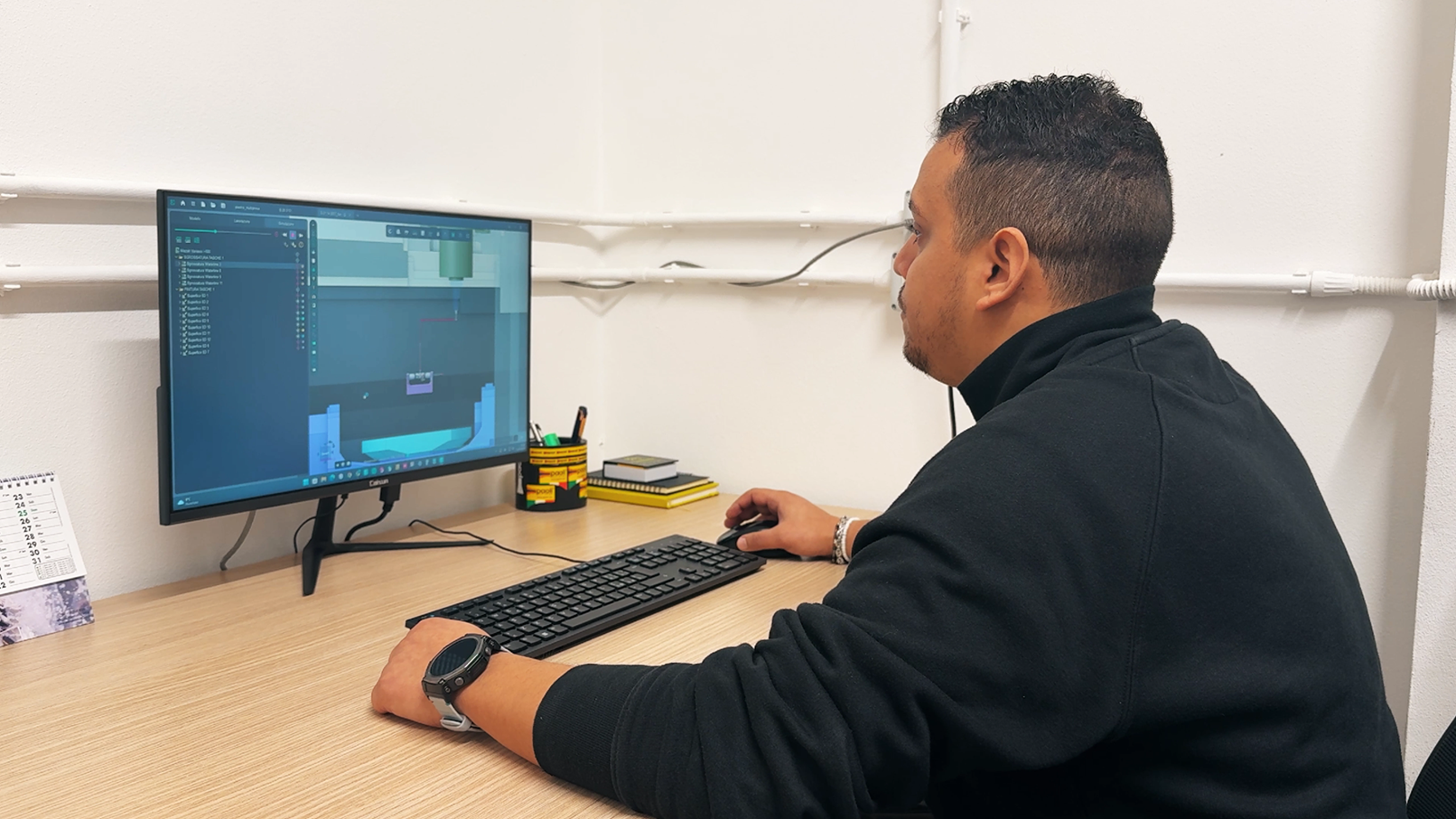
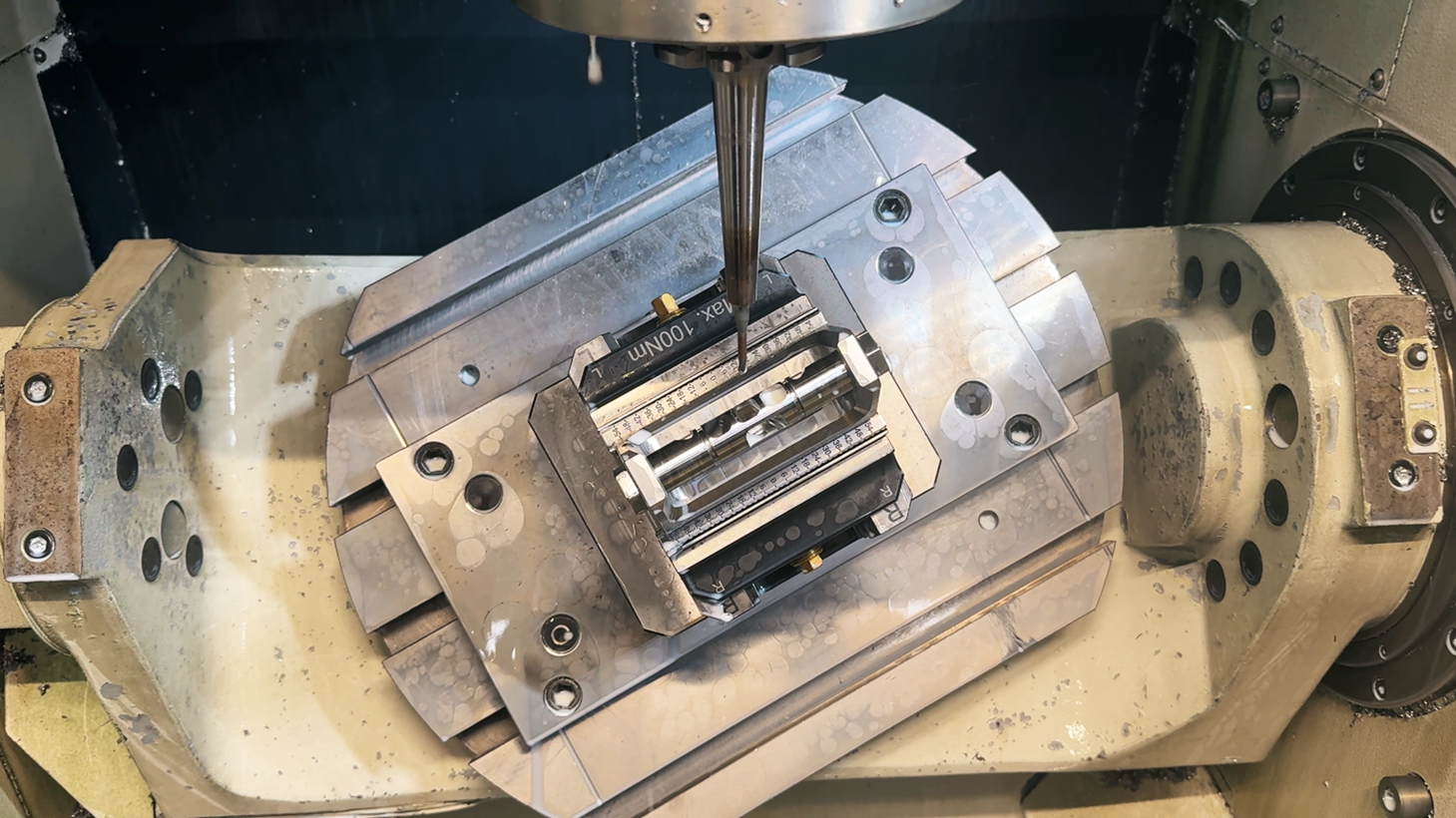
Some of these components contain narrow sections and internal geometry that is difficult to reach. They cannot be machined completely with the cutting tool held in a fixed orientation. Dino Paoli therefore uses a five-axis machining center, allowing the tool to approach the surfaces from different directions.
Programming these parts requires coordinated movement of several machine axes. The programmer must control both the position and orientation of the cutting tool while accounting for the actual machine, tool holder, fixture, and available working space.
Programming Five-Axis Machining in ENCY
Dino Paoli designs its components in Autodesk Inventor. The CAD models are then transferred to ENCY, where the technical team prepares the machining operations.
For Hurricane 2.0 components, ENCY is used to create the five-axis toolpaths required to reach complex internal areas. The programmer can review the operation, check the tool orientation, and verify how the tool approaches each section of the part.
The complete operation is then checked in machine simulation. This gives the team a clear view of the cutting tool, holder, fixture, and moving machine components before production begins.
This verification is particularly important in five-axis machining because several machine axes may move simultaneously. A toolpath must not only follow the part geometry correctly. It must also remain within the physical and kinematic limits of the actual machine setup.
Once the operation has been verified, the postprocessor converts the ENCY project into NC code for the CNC control. The resulting code must match the configuration and kinematics of the machine used in production.
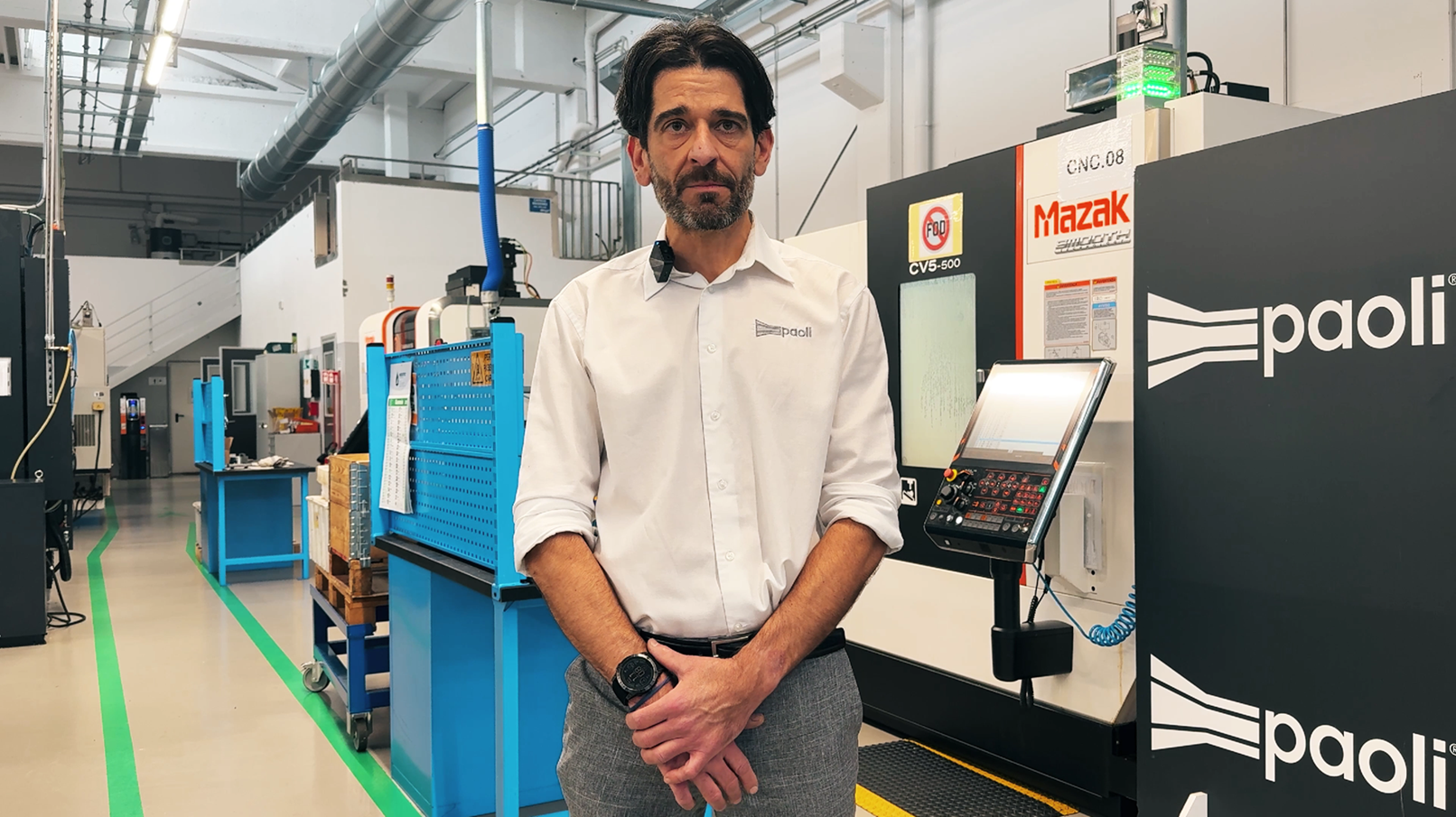
According to Andrea Ori, R&D Manager at Dino Paoli, an effective CAM system should combine approachable technical support, a reliable postprocessor, and accurate simulation during programming. Ease of use is equally important when working on demanding machining tasks.
“We normally use ENCY for the most complicated parts we have to produce. It’s very easy to use. The technical support is very good.”
ENCY brings operation preparation, machine-movement verification, and NC code generation into one workflow. Once the toolpaths and machine movements have been checked, the program can be sent to the five-axis machining center.
The Engineering Behind Every Pit Stop
Dino Paoli’s process connects the needs of racing teams with design, manufacturing, inspection, assembly, and testing. Feedback from the track influences product development, while in-house production gives the company direct control over the components used in its equipment.
The internal components of the Hurricane 2.0 are invisible during a race, but their geometry and machining quality directly affect how the wheel gun performs. Dino Paoli uses ENCY to prepare the five-axis toolpaths, verify the machine movements, and generate the NC code required to produce them.
The few seconds seen in the pit lane depend on a much longer engineering process completed before race day. CAM programming is one part of that process, connecting the digital design of each component with the finished equipment used by the team on the track.


