Evolution of CAD/CAM Systems: 1970 – 2025
CAD/CAM systems evolved from early CNC and 2D drafting to AI-driven, cloud-based platforms, enabling integrated design, simulation, and manufacturing workflows.
Introduction
Computer-Aided Design (CAD) and Computer-Aided Manufacturing (CAM) systems have fundamentally transformed the fields of engineering, architecture, and manufacturing. From their inception in the 1970s to the sophisticated, AI-driven platforms of the 2020s, CAD/CAM systems have evolved to meet the increasing demands for efficiency, precision, and innovation. This article explores the significant milestones in the evolution of CAD/CAM systems from 1970 to 2025, highlighting how technological advancements have shaped their development.
Early CAM Before CAD: Setting the Stage
Long before modern CAD screens appeared, the first step in the history of CAD/CAM happened in manufacturing. In the 1950s and 1960s, aerospace and defense projects experimented with numerical control machines and simple CAM logic, feeding punched-tape coordinates and early APT-style languages to mills and lathes. From today’s perspective, this early Computer-Aided Manufacturing work shows where the evolution of CAD/CAM began: by making machining programmable and repeatable even while design data still lived mostly on paper.
If you look back at this history, the computer first became a bridge between geometry and motion on the shop floor, and only later did interactive design tools arrive to match it. For a deeper view of how those manufacturing ideas grew into today’s toolpath engines, see our separate guide to CAM.
Pioneering Technologies
In the history of cad and digital design, few names matter as much as Ivan Sutherland. His Sketchpad with a CRT and a light pen, developed in the 1960s, laid the groundwork for interactive computer graphics, influencing CAD development in the 1970s. The introduction of graphical user interfaces and interactive features allowed designers to visualize and modify designs more effectively. It is hard to point to a single first cad system, but Sketchpad is widely treated as the conceptual prototype from which many later cad software interfaces evolved.
In automotive engineering, UNISURF at Renault showed how mathematical surfaces could describe car bodies and then drive real tooling, closing the loop between styling and production. Patrick J. Hanratty’s work on NC and design codes in the same era helped define data structures that later commercial platforms reused when a true cad software market finally emerged. What began as isolated, custom tools gradually turned into general-purpose CAD/CAM products that could be deployed across industries.
The 1970s: The Birth of CAD/CAM
Early Development in Specialized Industries
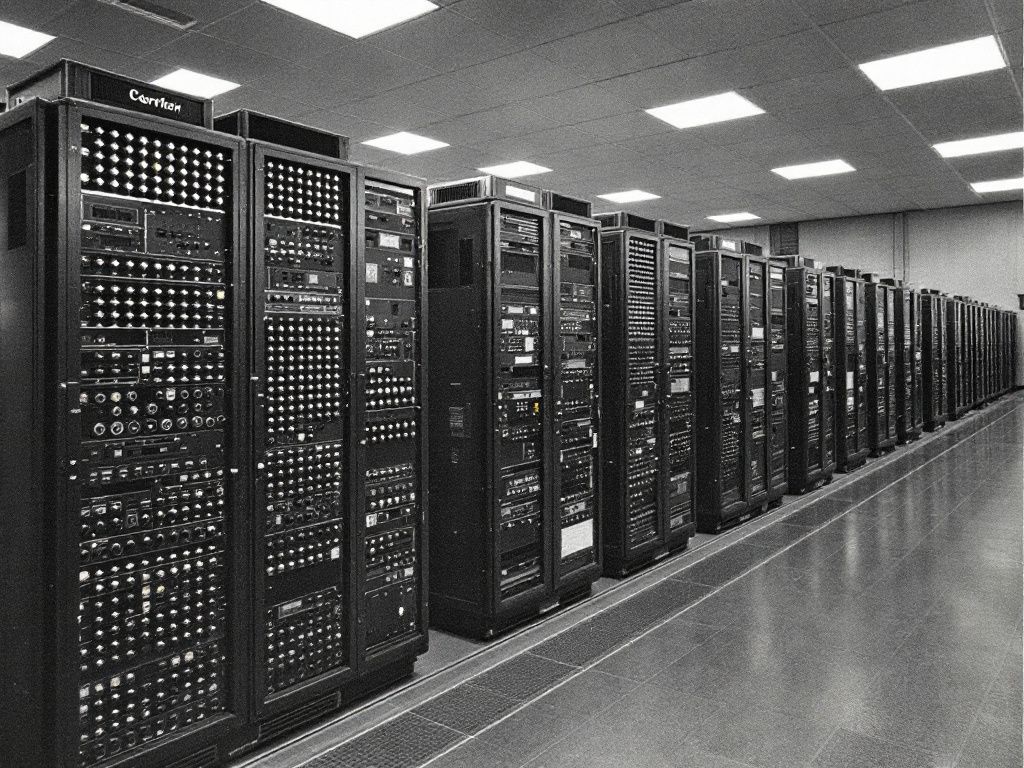
The 1970s marked the genesis of CAD/CAM systems, primarily within large corporations and research institutions due to the high cost and complexity of computer systems. Initial applications were in the aerospace and automotive industries, where companies like Boeing and General Motors began experimenting with computer graphics for design purposes.
Mainframe-Based Systems
Early CAD systems operated on mainframe computers and were primarily 2D drafting tools. Programs like CATIA (Computer-Aided Three-Dimensional Interactive Application), developed by Dassault Systèmes in 1977, began to introduce 3D capabilities. These systems were highly specialized and required significant investment in hardware and training.

The 1980s: Commercialization and Wider Adoption
Transition to Minicomputers and PCs
The 1980s saw a shift from mainframe computers to minicomputers and personal computers (PCs), making CAD systems more accessible. Autodesk’s release of AutoCAD in 1982 was a significant milestone, offering a relatively affordable CAD program that could run on standard PCs. This democratization allowed smaller firms to adopt CAD technology.
Integration with CAM
The integration of CAD with CAM systems became more prevalent during this decade. Manufacturers began using CAD designs to directly control CNC (Computer Numerical Control) machines, streamlining the production process. This integration reduced errors and increased efficiency, setting new standards in manufacturing workflows.
Enhanced Software Capabilities
Software developments included the introduction of features like layers, blocks, and parametric modeling. These advancements improved the functionality and usability of CAD programs, allowing for more complex and detailed designs.
The 1990s: Expansion and Refinement
Advancements in 3D Modeling
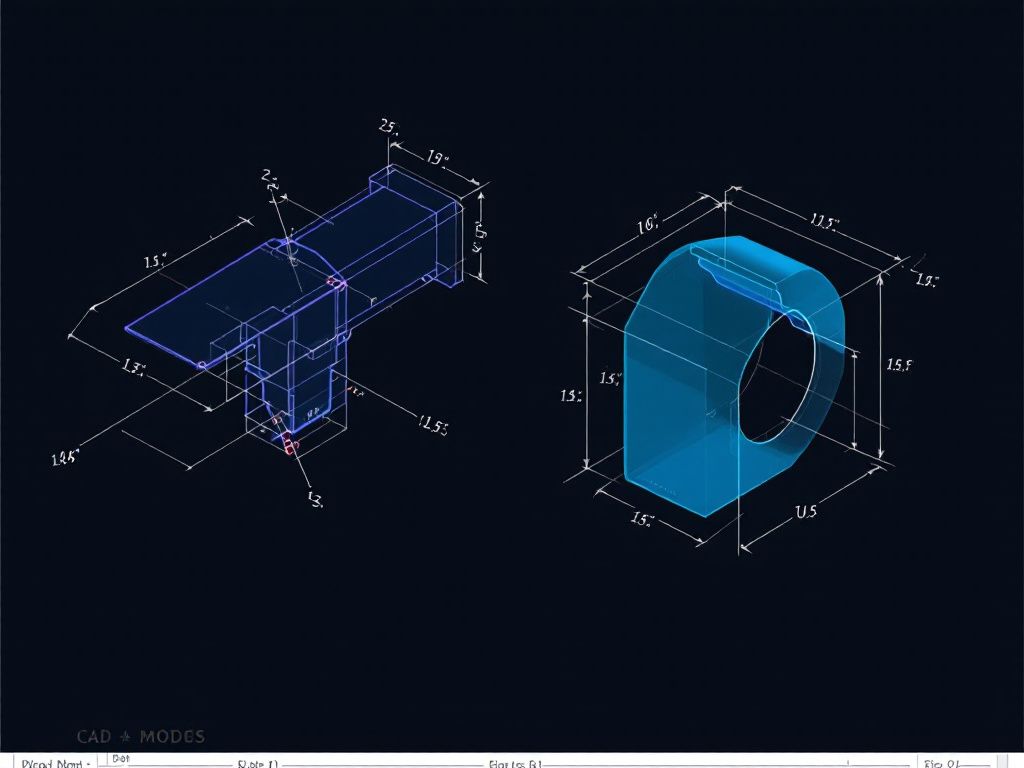
The 1990s brought significant improvements in 3D modeling capabilities. Software like Pro/ENGINEER, introduced by PTC in 1987 but gaining prominence in the 1990s, offered parametric, feature-based solid modeling. SolidWorks, released in 1995, made 3D CAD more accessible to engineers and designers with its user-friendly interface.
Increased Computing Power
The exponential growth in computing power allowed CAD/CAM systems to handle more complex calculations and larger models. Graphics workstations became more affordable, and the use of graphics processing units (GPUs) enhanced rendering and visualization.
Standardization and Interoperability
Standards like STEP (Standard for the Exchange of Product model data) and IGES (Initial Graphics Exchange Specification) facilitated better data exchange between different CAD systems. This interoperability was crucial for collaboration across various platforms and organizations.
How CAD and CAM Became One Unified Process
Originally, design offices and machine shops often used different programs, formats, and even teams, so cad and cam felt like separate worlds. Integrated CAD/CAM platforms changed that by letting a single model drive drawings, simulations, and NC code, so a feature edited in CAD automatically updated all related operations.
The PC era accelerated the trend. As desktop tools spread and vendors such as Autodesk popularized accessible 2D and 3D cad software, even small firms could maintain one digital workflow from concept to NC programming. What had once been available only to a handful of large corporations became accessible to millions of engineers who now expect design and CAM to share the same data; our dedicated guide on how CAD/CAM systems work looks at this integrated pipeline in more detail.

The 2000s: Integration and Collaboration
Internet and Cloud Computing
The advent of the internet revolutionized collaboration in CAD/CAM systems. Designers could now share and work on projects remotely, leading to the development of collaborative tools and cloud-based platforms. SaaS (Software as a Service) models emerged, reducing the need for significant upfront hardware investments.
Product Lifecycle Management (PLM)
PLM systems began integrating with CAD/CAM software, providing a comprehensive approach to managing a product's lifecycle from conception to disposal. This integration improved data management, version control, and cross-departmental collaboration.
Enhanced User Interfaces
User interfaces became more intuitive, incorporating features like drag-and-drop, customizable toolbars, and improved visualization tools. These enhancements reduced the learning curve and increased productivity.
The 2010s: Advanced Simulation and Additive Manufacturing
Simulation and Analysis Integration
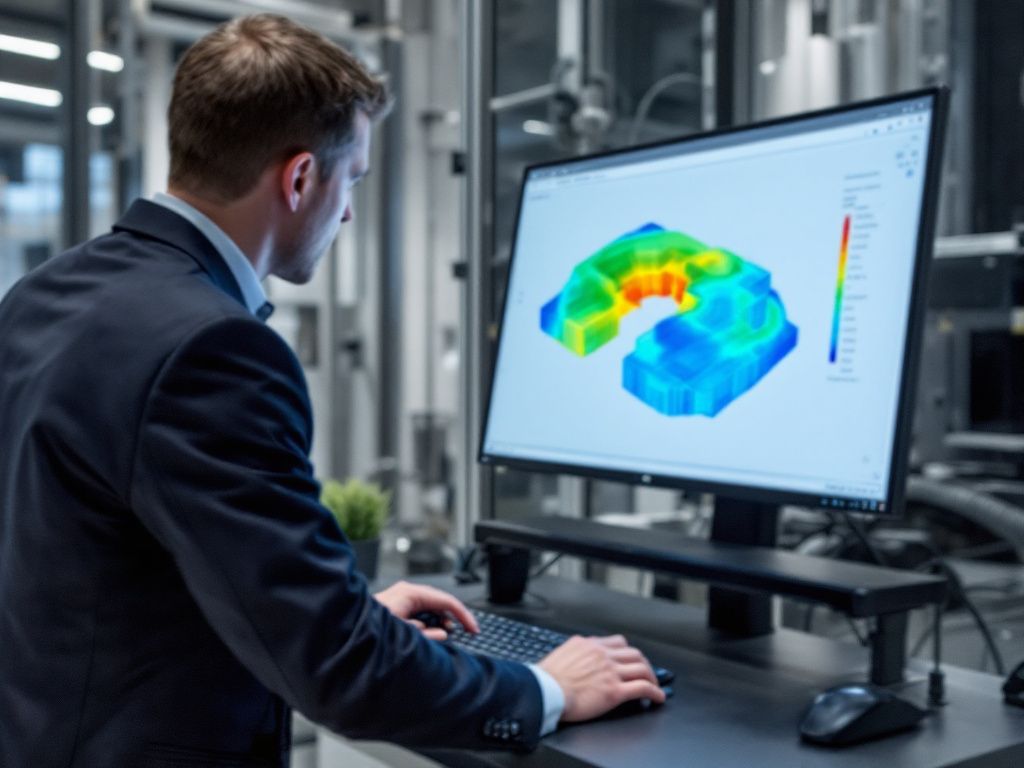
Advancements in computational capabilities allowed for the integration of simulation tools directly into CAD environments. Engineers could perform Finite Element Analysis (FEA), Computational Fluid Dynamics (CFD), and other simulations to test and validate designs virtually, reducing the reliance on physical prototypes.
Rise of Additive Manufacturing
The proliferation of 3D printing technologies brought additive manufacturing to the forefront. CAD/CAM systems adapted to design for additive processes, enabling the creation of complex geometries and reducing material waste. This shift opened new possibilities in customization and rapid prototyping.
Mobile and Cloud Accessibility
The 2010s saw the introduction of mobile applications and enhanced cloud services, allowing access to CAD/CAM tools from virtually anywhere. This mobility facilitated real-time collaboration and increased flexibility in the design process.
The 2020s: AI and Beyond
Artificial Intelligence and Machine Learning
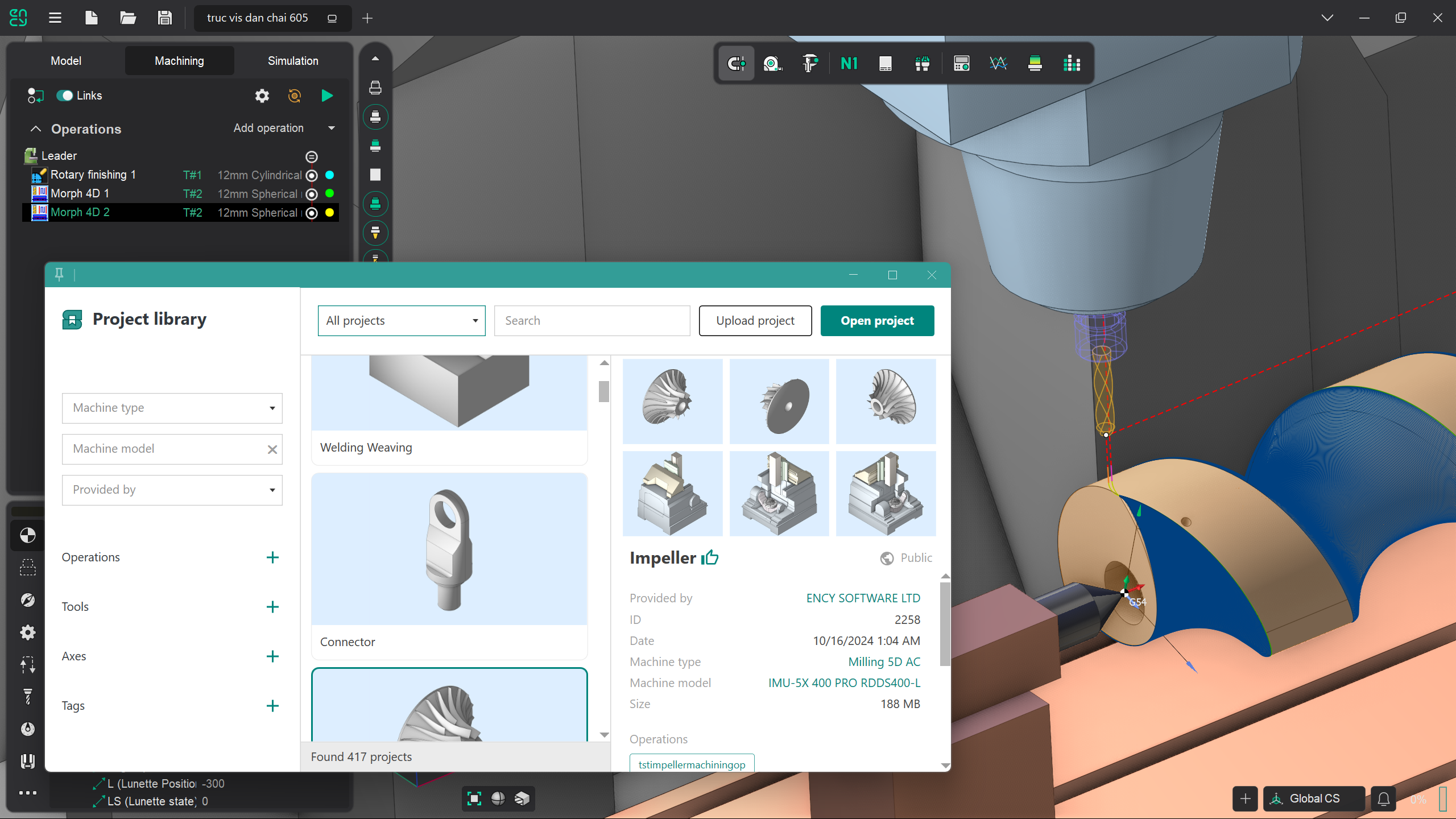
By the early 2020s, artificial intelligence and machine learning began playing a significant role in CAD/CAM systems. Features like generative design enabled software to automatically optimize designs based on specified parameters, producing innovative solutions that might not be immediately apparent to human designers.
Increased Automation and IoT Integration
Automation continued to advance with CAM systems offering sophisticated control over manufacturing equipment. The integration of the Internet of Things (IoT) provided real-time data from machines and sensors, allowing for predictive maintenance and adaptive manufacturing processes.
Cloud-Based Platforms and Collaboration
Cloud-based CAD/CAM platforms became more prevalent, offering scalable solutions and facilitating global collaboration. Companies could leverage distributed teams and resources more effectively, speeding up development cycles.

Towards 2025-2030: Future Trends
Looking towards 2025-2030, several trends are anticipated to shape the evolution of CAD/CAM systems:
- Enhanced Virtual and Augmented Reality: The use of VR and AR is expected to become more integrated into CAD/CAM systems, providing immersive design experiences and improving visualization.
- Further AI Integration: AI algorithms may become more sophisticated, offering predictive design capabilities, automated error checking, and intelligent suggestions to enhance efficiency.
- Sustainability Focus: With growing emphasis on sustainable practices, CAD/CAM systems are likely to include features that assess environmental impact, material usage, and energy consumption during the design phase.
- Blockchain Technology: The adoption of blockchain could improve security and transparency in collaboration, particularly in protecting intellectual property and managing supply chains.
Conclusion
The evolution of CAD/CAM systems from the 1970s to 2025 reflects the remarkable advancements in technology and their profound impact on design and manufacturing processes. From the early mainframe-based systems accessible only to large corporations, to the AI-enhanced, cloud-based platforms of today, CAD/CAM systems have continually adapted to meet the changing needs of industries. As we approach 2025-2030, the integration of emerging technologies promises to further revolutionize the field, fostering innovation, enhancing collaboration, and driving efficiency across the globe.
