
Categories: Blog
Industrial robots have transformed production and manufacturing processes in various industries, demonstrating their ability to enhance productivity, precision, and safety. These robotic systems are integral to modern industrial practices, enabling more efficient operations and reducing human error.
Today industrial robotics is no longer limited to classic automotive lines. In modern robotic automation projects, robots appear in machining, packaging, inspection, and logistics cells across the same factory. Because there are so many applications, it is helpful to group typical industrial robot applications into patterns—handling, joining, surface processing, quality control, and specialized roles in food, pharma, and energy. Different types of robots are matched to these tasks based on payload, reach, and accuracy, so for engineers and managers, robotics becomes a flexible toolbox rather than a single technology.
Here, we explore the top 10 applications of industrial robots, showcasing their versatility and vital roles in diverse sectors of robotics technology.
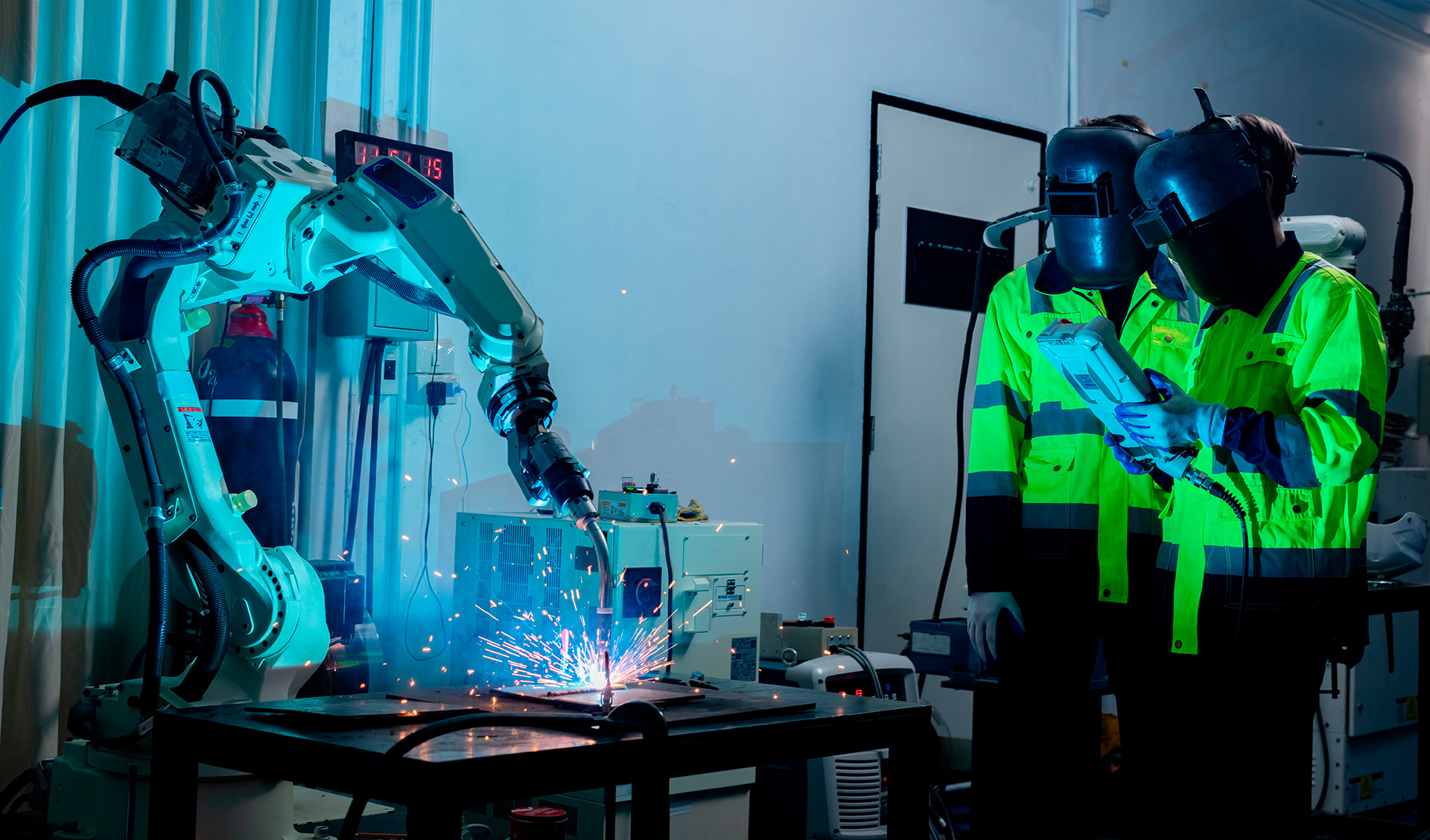
Robotic welding is a mainstay in industries such as automotive and heavy machinery, where precision and repeatability are crucial. Robots excel in tasks like MIG, TIG, arc welding, and spot welding by providing:
In an automotive body shop, a six-axis robot arm follows complex seam paths on car bodies, while in shipbuilding or heavy-equipment plants, gantry robots handle long structural welds. In both cases, robots increase stability of the welding process, simplify parameter logging for every seam, and make it easier to prove compliance with safety and quality standards.
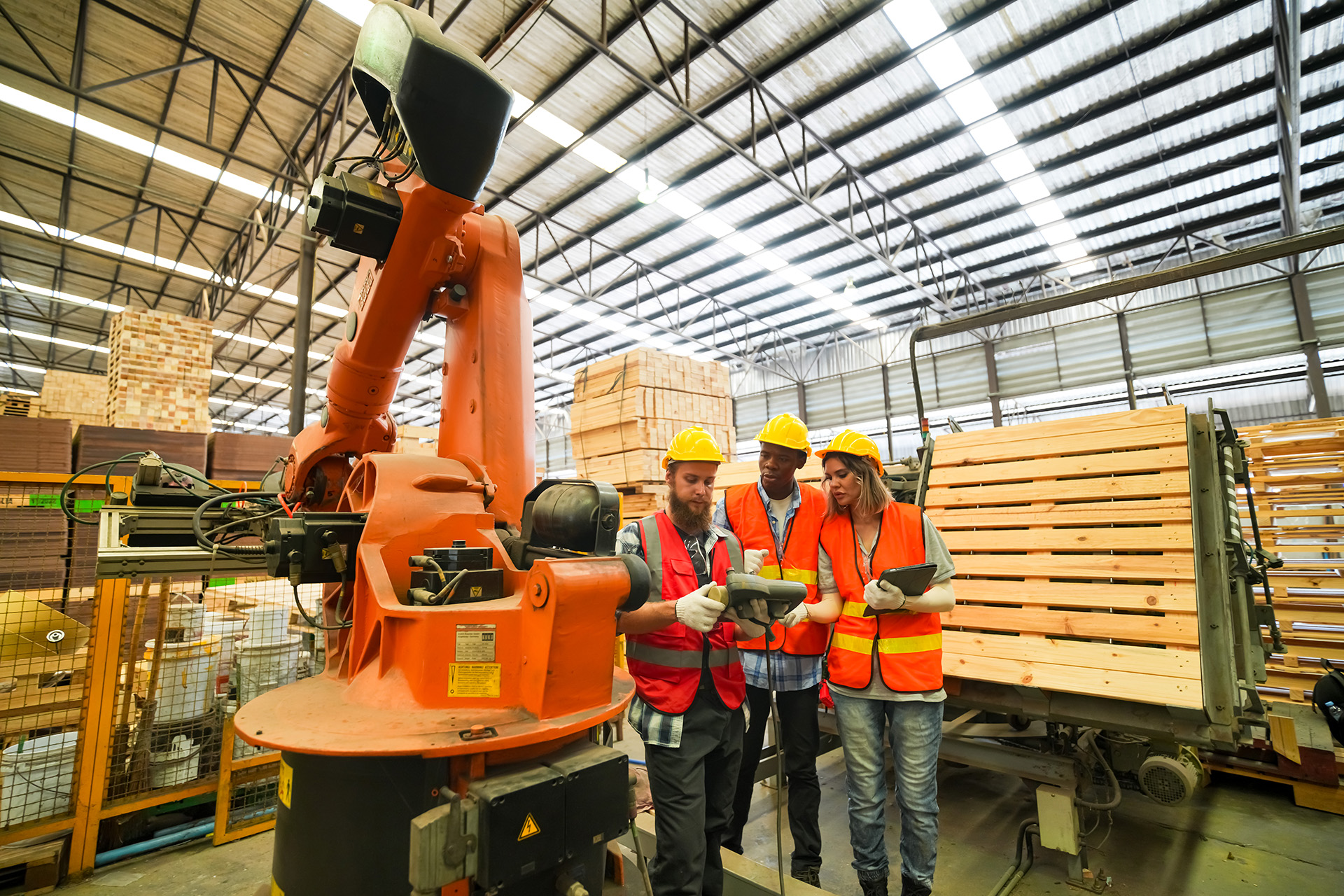
Material handling includes a variety of tasks such as pick and place, packing, and palletizing. Industrial robots automate these repetitive processes, resulting in:
In e-commerce fulfillment centers, articulated robots palletize mixed product loads, while mobile robots transport carts between shelving areas and packing stations. Some facilities are also experimenting with delivery robots that move finished goods between buildings or production stages. Together, these autonomous systems reduce manual lifting, shorten order-to-ship times, and make overall intralogistics more resilient during demand spikes.
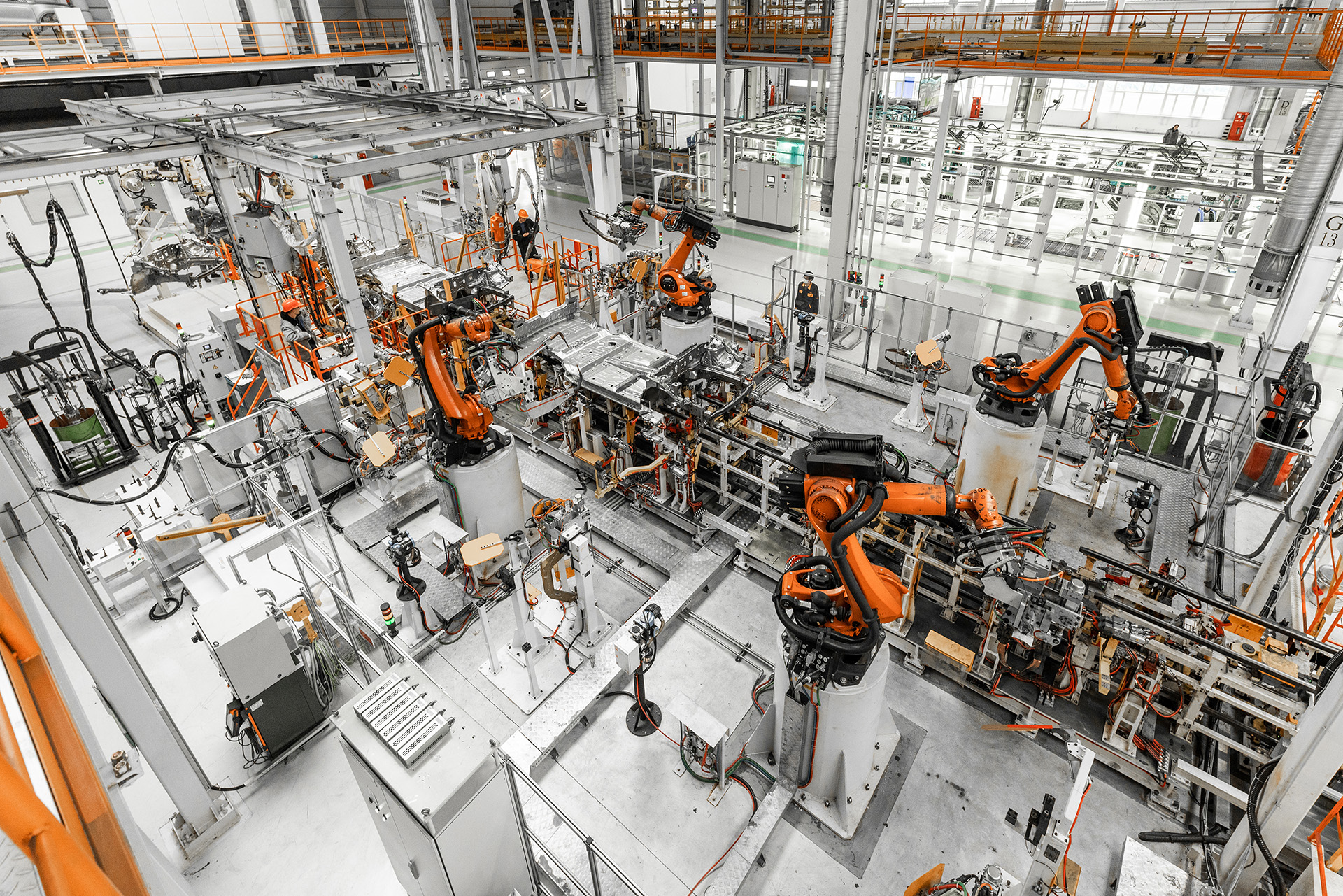
Robots are widely used in assembling products, especially in the electronics and automotive industries. They provide:
On an electronics line, small articulated robots and SCARA units place connectors, screws, and clips in tight spaces far more consistently than on a traditional manual assembly line. In automotive powertrain and battery-pack lines, robots handle heavy modules that would be ergonomically difficult for humans. The result is fewer assembly errors, more stable cycle times, and reduced risk of repetitive-strain injuries.
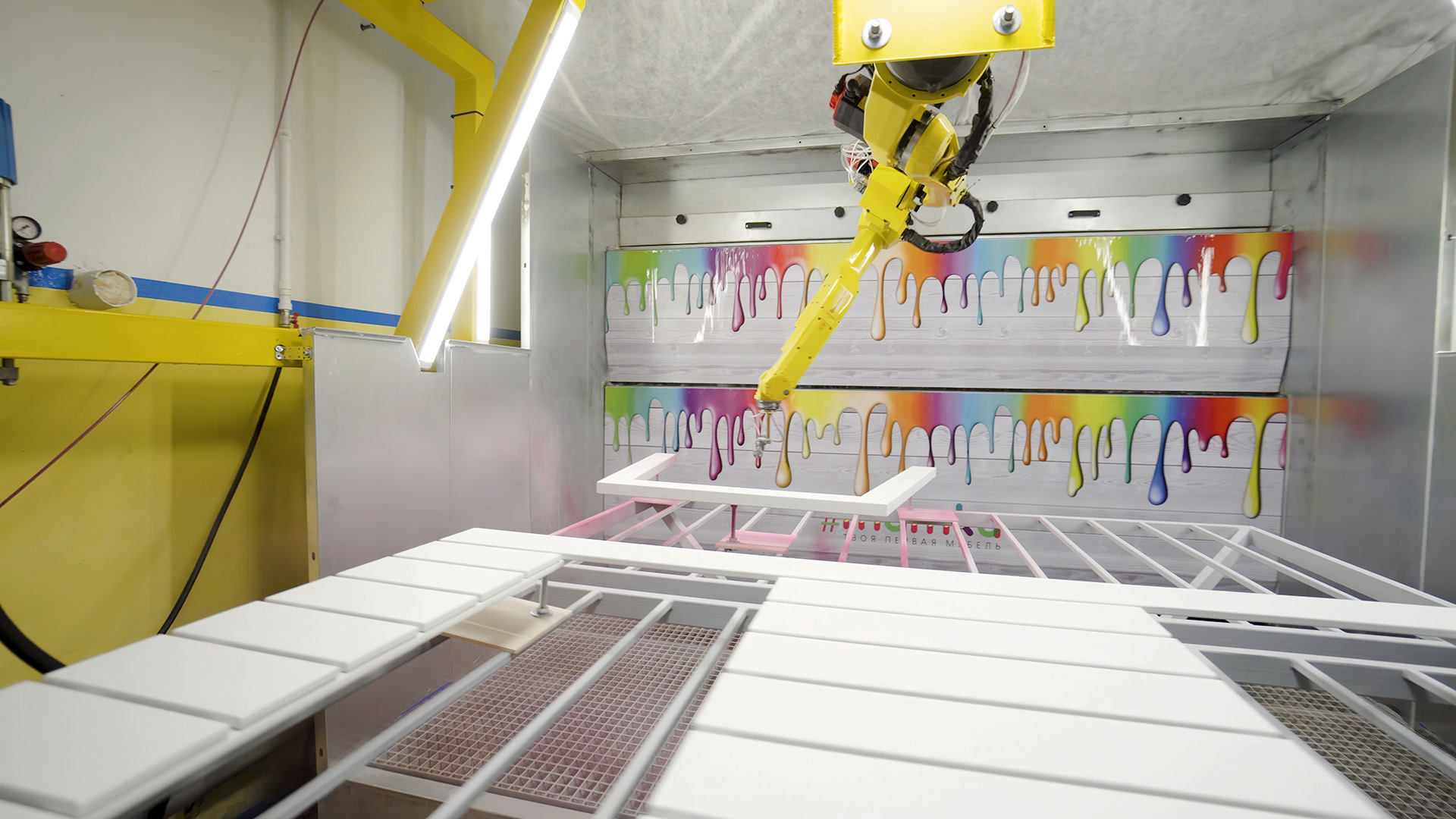
Industrial robots play a critical role in painting and coating applications in automotive and manufacturing industries. Their benefits include:
In automotive factories, robots move smoothly around car bodies on external rails, applying base coats and clear coats with consistent gun distance and angle. In consumer products and furniture, paint and powder-coating robots help keep finish quality stable even as batch sizes shrink and color changeovers become more frequent.
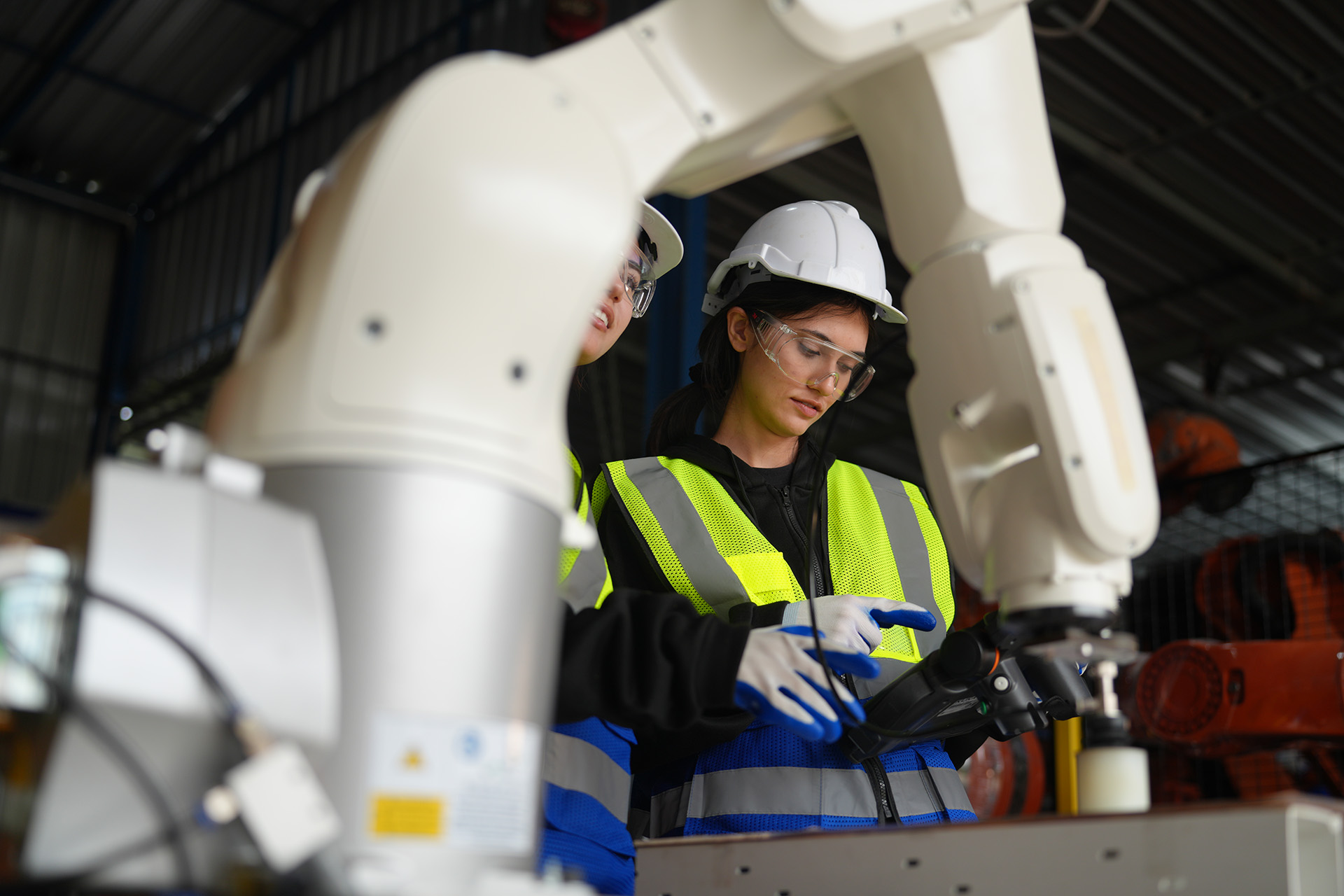
Inspection robots, often equipped with advanced sensors and machine vision, are essential for quality control processes. They help manufacturers achieve:
By automatically reading barcodes, QR codes, and serial numbers, inspection cells also contribute to end-to-end traceability. Every inspected part can be linked to its material batch, machine, and time stamp, which simplifies root-cause analysis and regulatory reporting in medical, aerospace, and food industries.
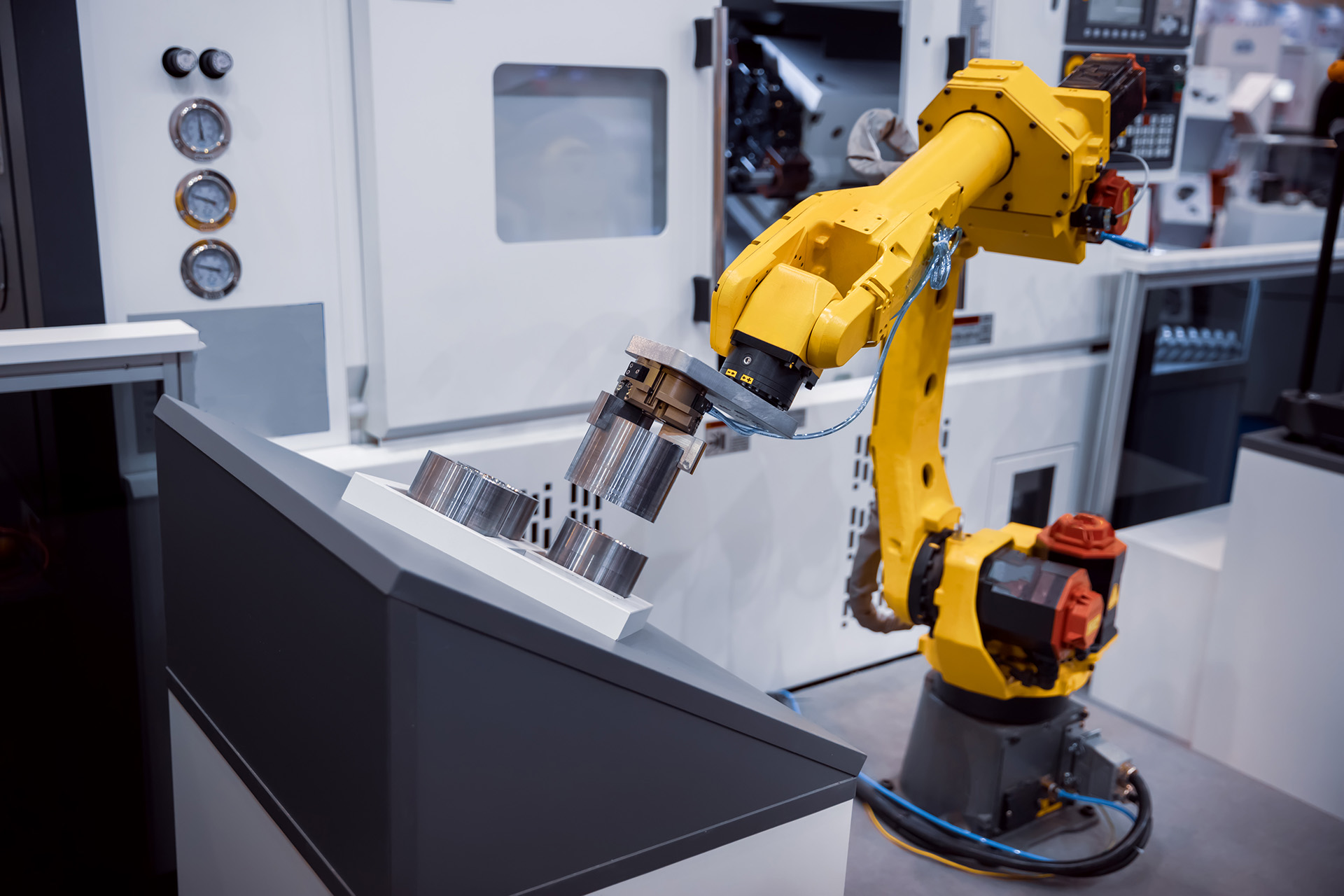
Machine tending involves loading and unloading parts from machines such as CNC mills, injection molders, or presses. Robotic systems used in this capacity offer:
In a CNC job shop, a robot cell may load raw billets, remove finished parts, and present them to an in-line gauge before placing them on trays. In plastics, robots remove hot molded parts and perform quick deflashing. Instead of operators standing at one machine, the same staff can supervise multiple cells, while robots handle high-frequency repetitive motions.
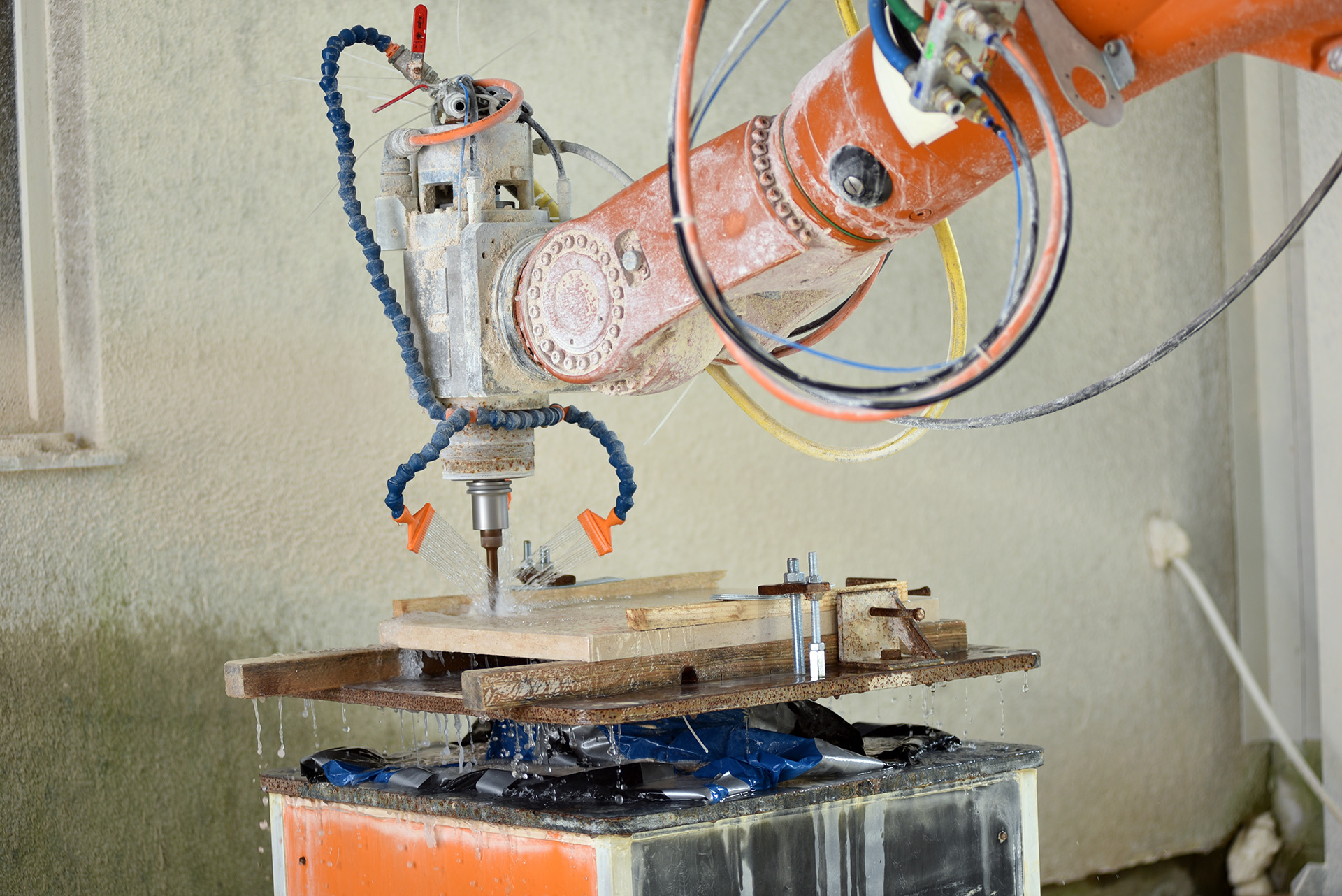
Robots equipped with lasers, water jets, or milling tools are used for cutting and material removal tasks. These applications are found in industries like aerospace and metal fabrication:
In aerospace, robots trim composite parts and drill thousands of precisely located holes. In metal fabrication, robotic oxy-fuel or plasma cutting replaces manual torch work in harsh environments. For sculptural stone and wood work, robot milling guided by CAD/CAM systems turns complex 3D designs into finished parts with repeatable accuracy.
Robots are also becoming standard in wire-arc and laser-based metal additive manufacturing, where they build near-net-shape components and then machine or grind them to final tolerance in the same cell. This combination of additive and subtractive steps allows manufacturers to reduce material waste on large, heavy components.
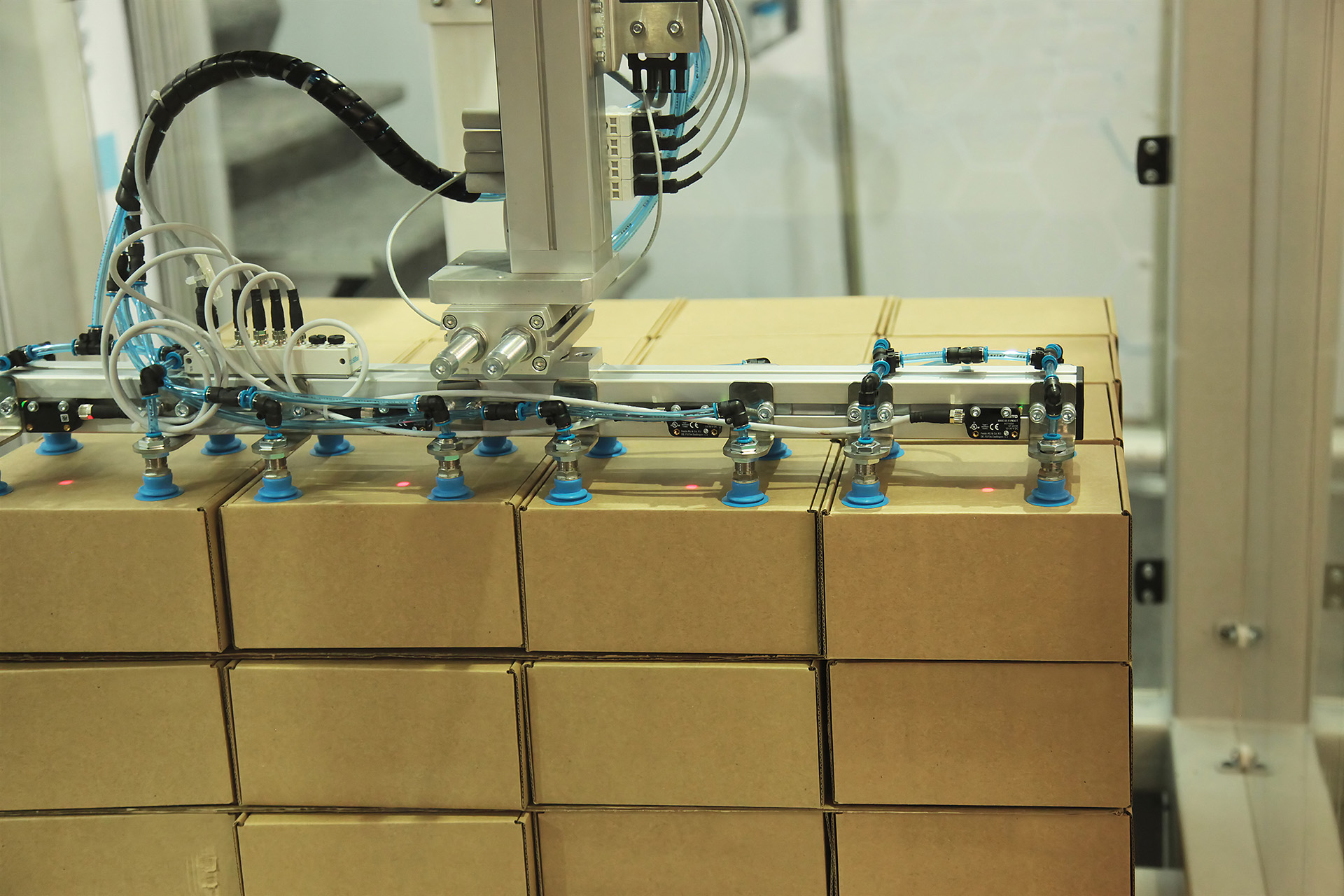
Packaging and palletizing robots streamline end-of-line processes in industries such as food and beverage, logistics, and consumer goods. They deliver:
In beverage plants, high-speed delta robots group bottles into cases, while palletizing robots stack mixed SKU pallets for retail distribution. In third-party logistics hubs, flexible pallet cells can be reprogrammed rapidly to match changing customer orders, reducing the need for fixed mechanical handling equipment. Some warehouses are even experimenting with using a small inventory drone to scan barcodes and shelf labels at height, while ground-based mobile robots handle the actual transport of goods.

Robots used for dispensing are ideal for applying adhesives, sealants, or coatings with precision. This is important in the electronics and automotive industries, where:
Typical examples include applying structural adhesive beads in car body shops, potting electronic assemblies, or sealing joints in HVAC components. The robot maintains a constant speed and bead size, which improves sealing performance and reduces the amount of rework caused by leaks and voids.
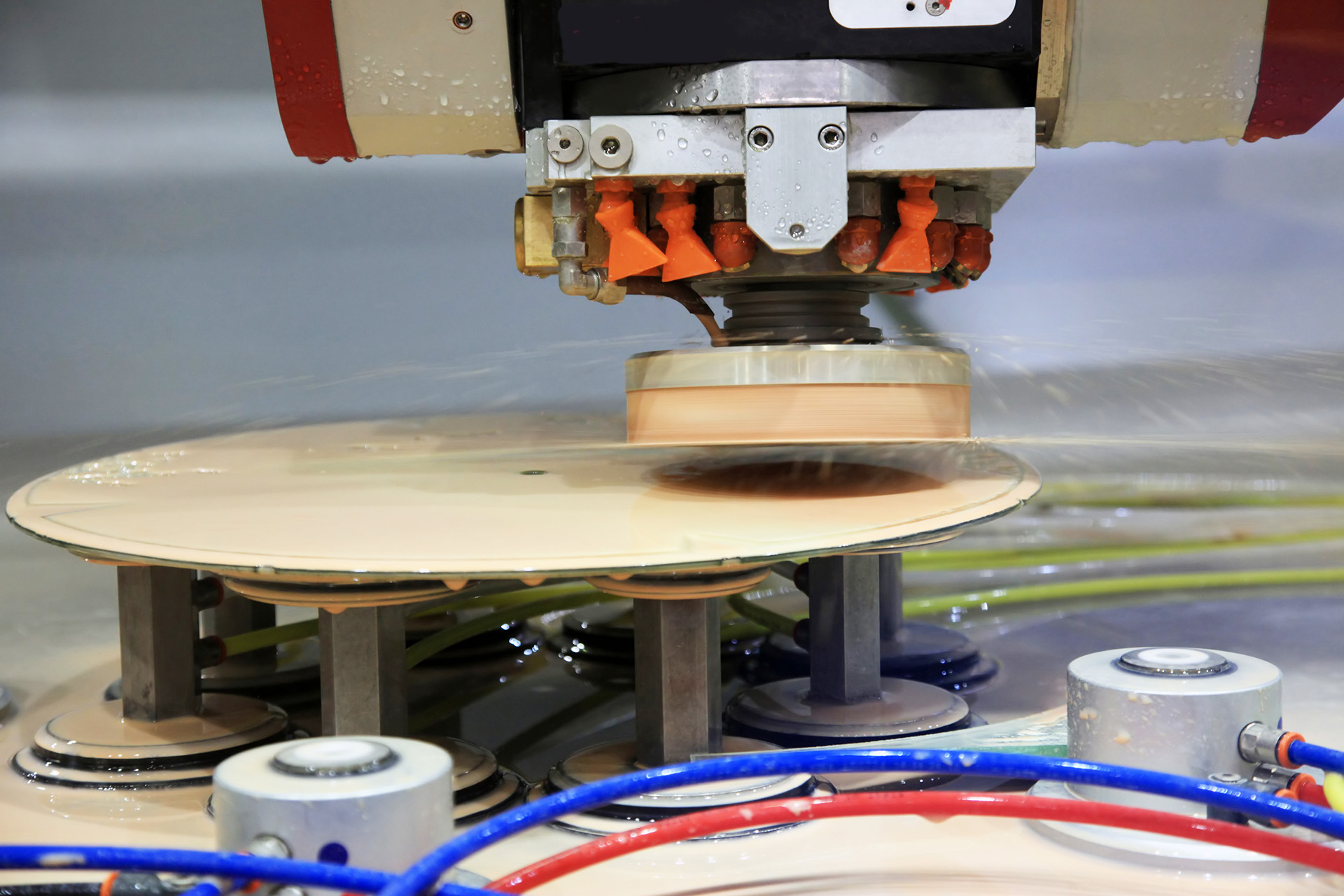
In industries where aesthetics and surface quality are essential, robots are employed for deburring and polishing tasks:
In metalworking, robots remove sharp edges after machining or casting, while in consumer electronics they polish enclosures to a cosmetic finish. In both cases, the robot keeps contact pressure and tool orientation constant, extending abrasive life and reducing variability from part to part.
Industrial robots are versatile and essential tools that support a wide range of applications, from welding and material handling to inspection and deburring. Their impact on production processes is transformative, leading to higher efficiency, better quality, and safer work environments. As technology advances, the scope of robotic applications is expected to expand, driving new innovations and setting higher industry standards.
For engineering teams exploring new projects in industrial automation and advanced robotics, it helps to think in terms of patterns: which steps are repetitive, high-risk, or quality-critical, and which industrial robot applications can address them with the greatest impact. Linking robot cells to upstream design and planning tools such as CAD/CAM systems and to downstream MES/ERP platforms for data collection ensures that robots are not isolated islands, but integrated parts of a connected production flow.
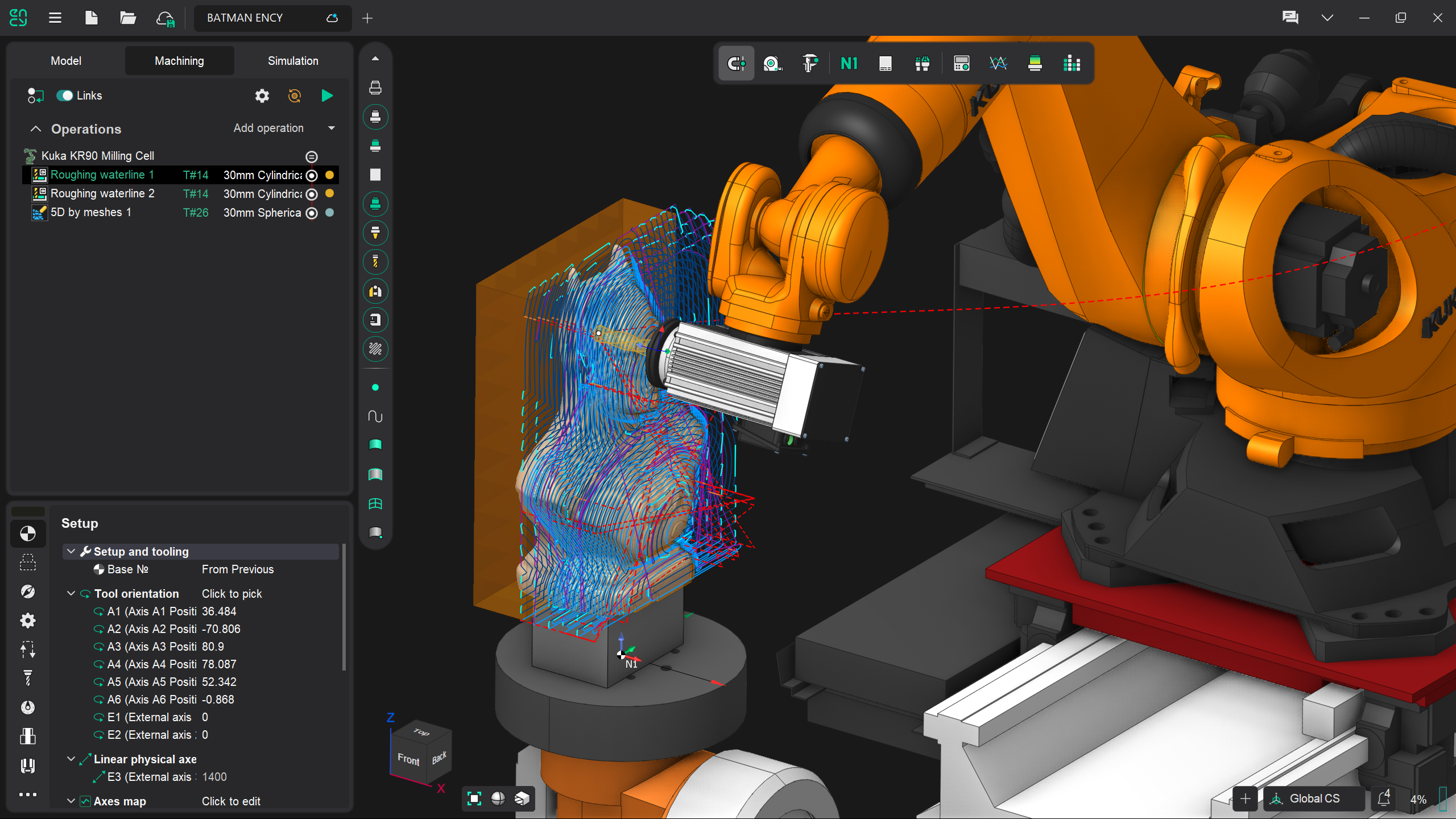
ENCY Robot is a comprehensive software solution for offline robot programming that supports a wide range of industrial tasks including welding, painting, cutting, and more. Its robust features encompass complete robotic cell simulation, toolpath calculations, and kinematics management.
Advantages of ENCY Robot:
For teams evaluating different programming industrial robot approaches, ENCY Robot also ties in naturally with offline and online workflows discussed in our guide to programming industrial robot. By combining accurate simulation, flexible path generation, and support for complex cells, it helps manufacturers turn promising use cases into robust, repeatable production solutions.

Author


No results available

Go beyond CAD/CAM

Back to top