
Top Trends in CAD/CAM Development for 2025-2026
Top Trends in CAD/CAM Development for 2025
The world of CAD/CAM (Computer-Aided Design/Computer-Aided Manufacturing) is continuously evolving, and 2025-2026 is poised to be a transformative year for these technologies. The rapid integration of advanced tools, increasing reliance on automation, and the shift toward smart manufacturing are shaping how industries approach machining and design.
As manufacturers evaluate future trends in CAD/CAM, it becomes clear that the scope of change goes beyond individual toolpath strategies or UI tweaks. These latest trends signal a move toward fully connected engineering environments where design, simulation, and shop-floor execution are tightly linked through modern CAD/CAM systems, rather than isolated point solutions.
Below, we delve into the top trends that are expected to redefine CAD/CAM in 2025-2026.

1. Enhanced Automation and AI Integration
One of the most notable trends for 2025-2026 is the growing integration of artificial intelligence (AI) and machine learning within CAD/CAM systems. AI-driven algorithms are being developed to optimize tool paths, suggest machining strategies, and predict potential issues before they occur. This level of intelligence not only increases productivity but also reduces the skill gap, allowing less experienced operators to produce complex parts with greater accuracy.
2. Hybrid Manufacturing Capabilities
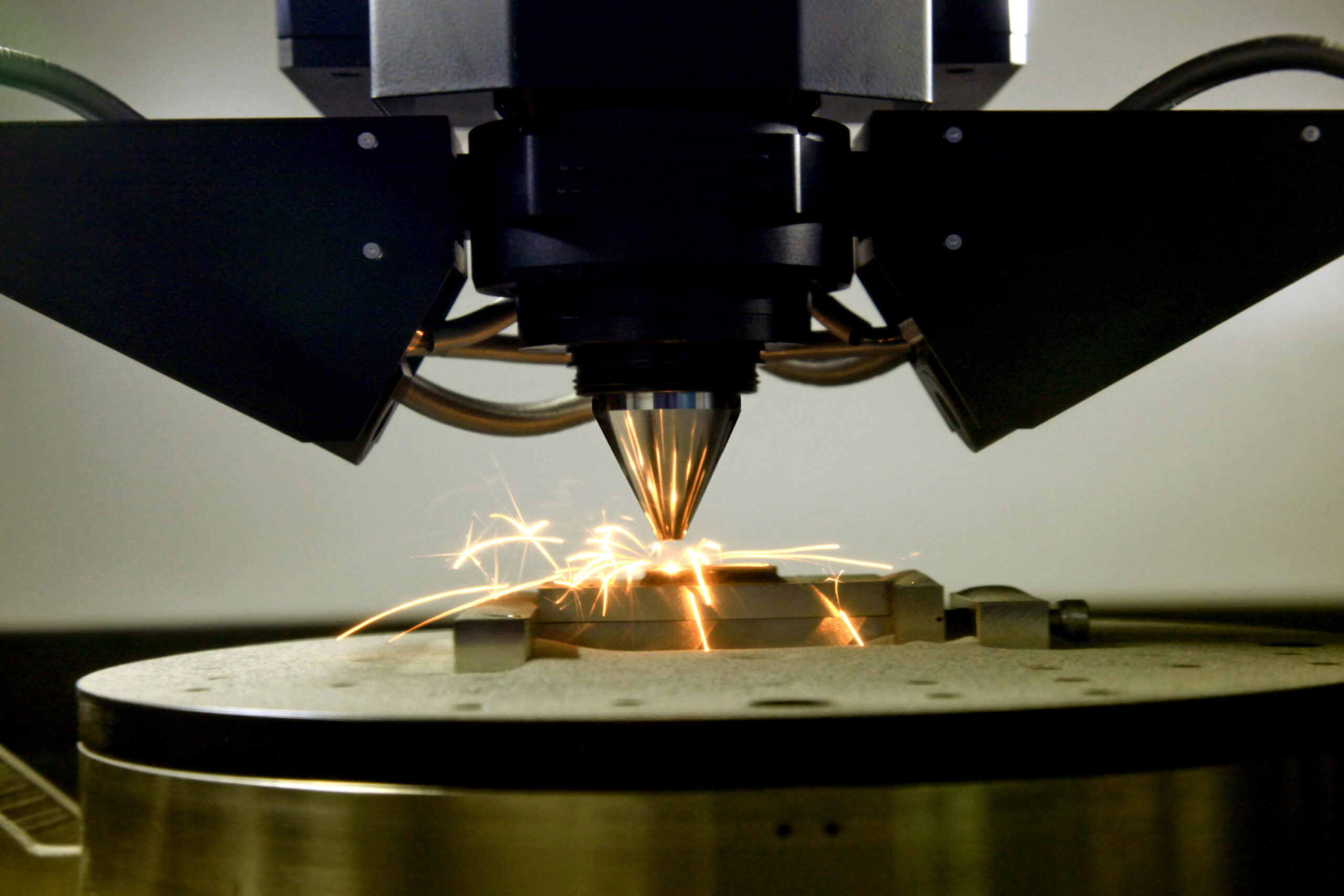
The fusion of additive and subtractive manufacturing is becoming a major focus for CAD/CAM solutions. Hybrid systems that combine 3D printing with traditional CNC machining are enabling manufacturers to create complex components with improved material properties and lower production times. CAM software is evolving to handle these hybrid processes seamlessly, providing better control over the transition between additive and subtractive steps in a single operation.
For many companies, this is the point where additive processes stop being experimental and become part of a reliable production workflow. Toolpath strategies, build sequencing, and stock recognition are increasingly planned together, with CAD/CAM in 3D printing and milling treated as one continuous process rather than separate departments that hand off data by file export.

3. Cloud-Based Platforms for Collaboration
Cloud technology is playing a crucial role in how teams collaborate on design and manufacturing projects. CAD/CAM platforms are increasingly adopting cloud-based solutions that enable users to work from different locations while maintaining access to the same tools and data. This trend is promoting greater collaboration between global teams and facilitating more efficient project management and version control.
4. Improved 5-Axis and Multiaxis Machining Support
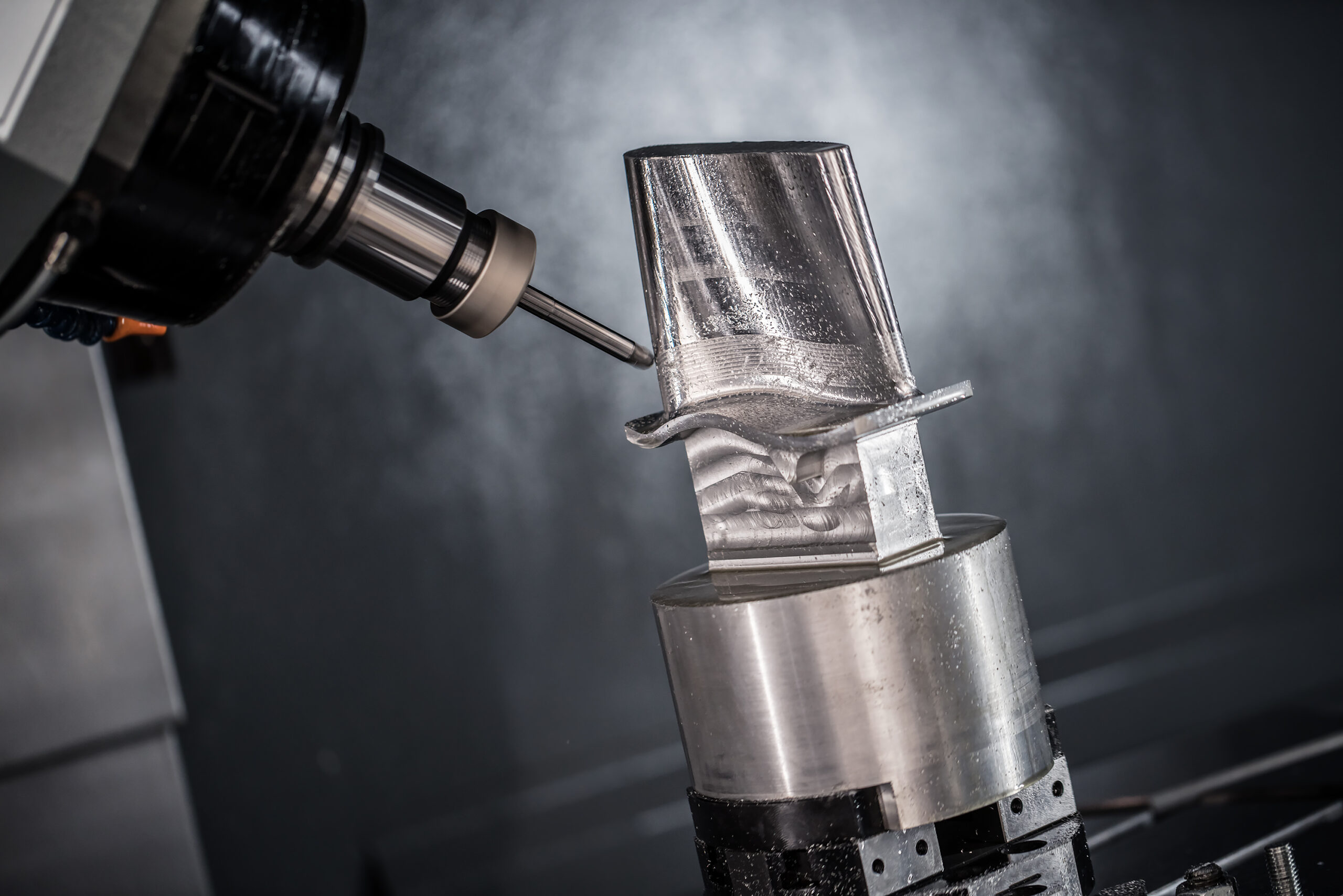
The demand for 5-axis and multiaxis machining continues to rise, especially in industries such as aerospace, automotive, and medical device manufacturing. In 2025-2026, CAD/CAM software is expected to provide enhanced support for complex multi-axis operations, offering more intuitive programming options, better simulation tools, and automatic collision detection. These improvements will allow manufacturers to push the boundaries of design without sacrificing precision or safety.
5. Digital Twin Integration
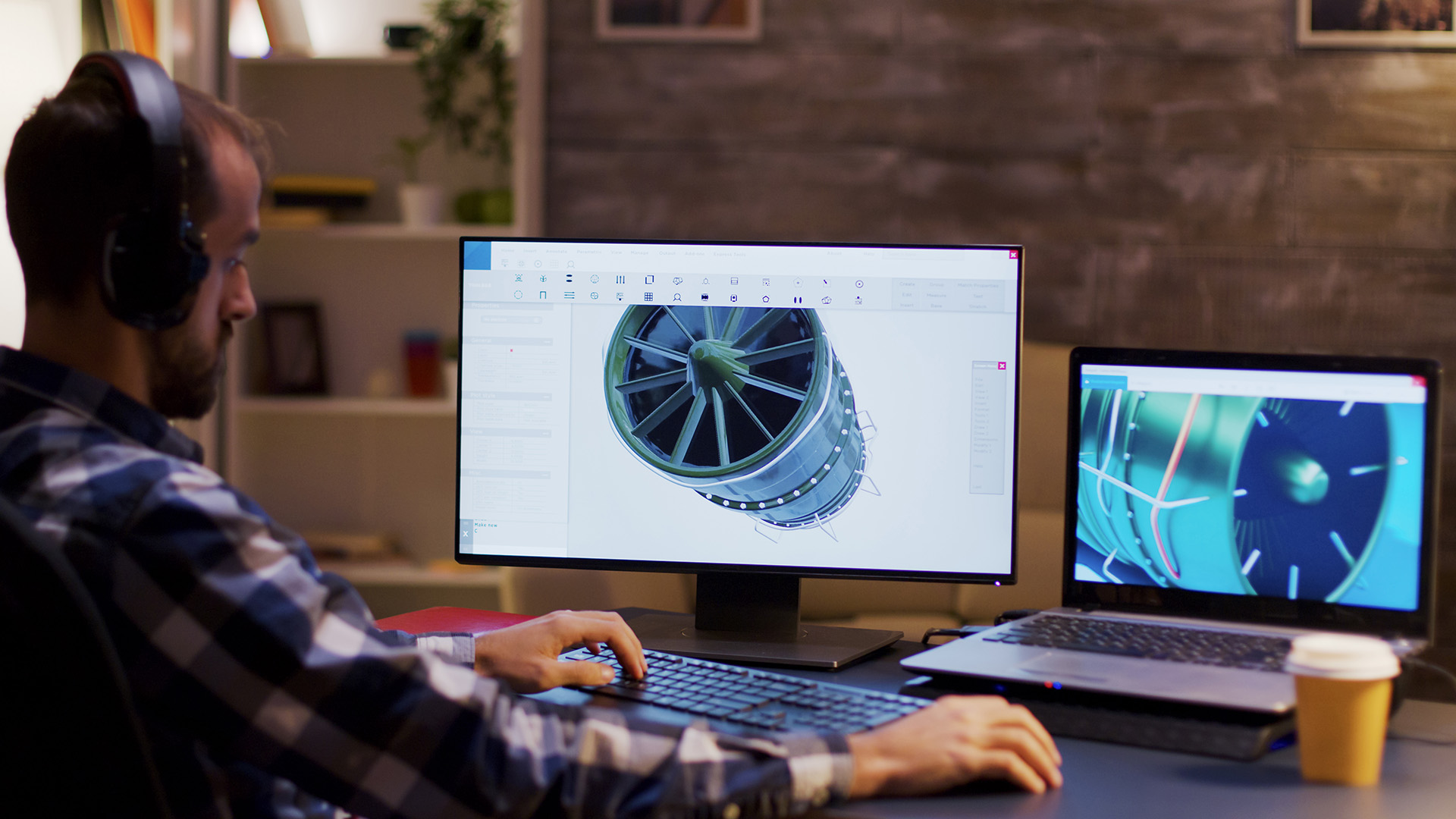
The concept of digital twins — virtual replicas of physical machines and processes — has gained traction as a means to enhance predictive maintenance and streamline operations. In 2025-2026, CAD/CAM software will increasingly incorporate digital twin capabilities to enable real-time monitoring and simulation of machining processes. This integration helps manufacturers optimize operations and minimize downtime by identifying potential issues before they happen.
Instead of running separate offline studies, many teams will treat the digital twin as a living model that reflects the current state of the machine, controller, tooling, and NC code.
6. Advanced Simulation and Verification Tools
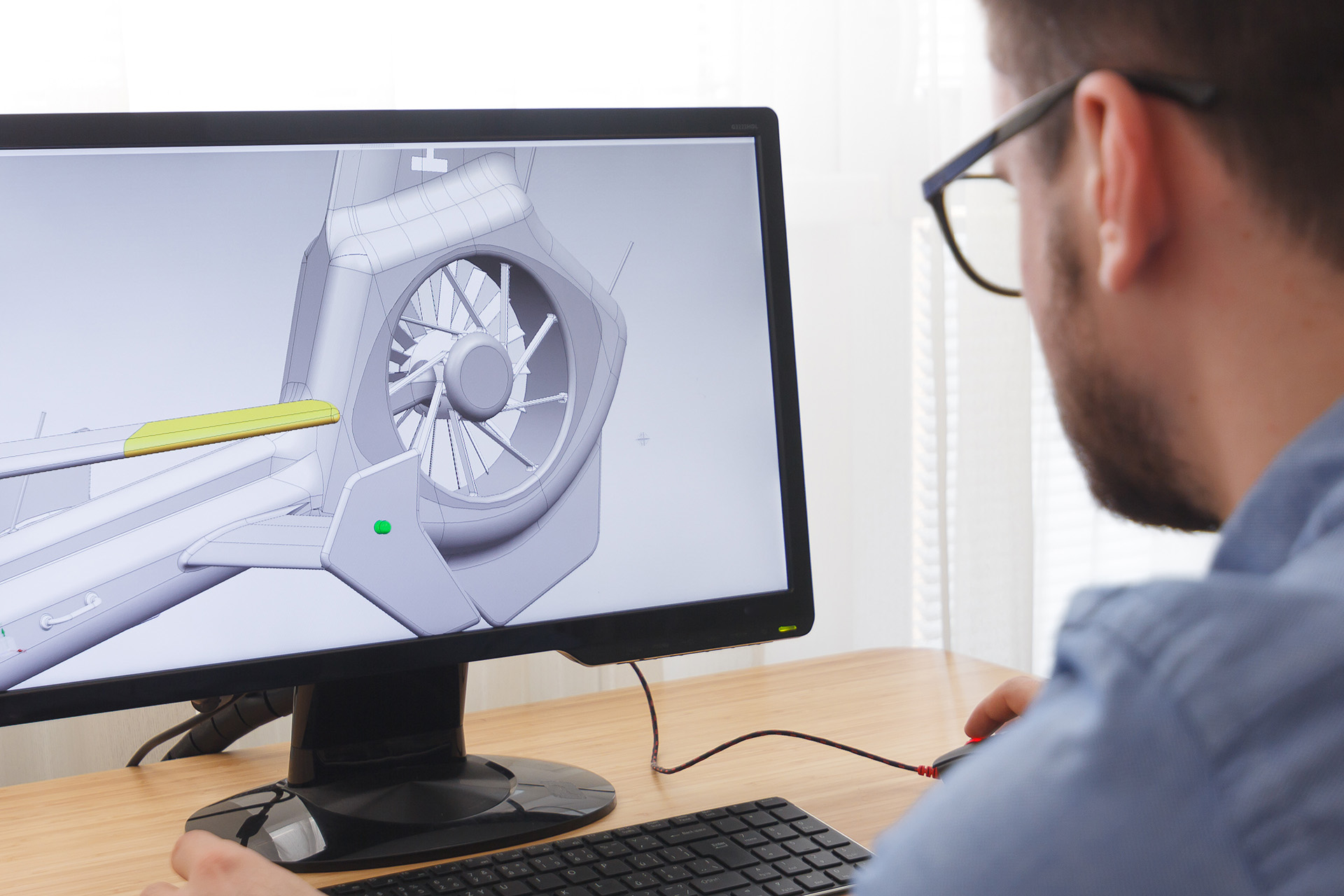
The ability to simulate machining processes accurately is critical to reducing errors and waste. As technology advances, CAM software in 2025-2026 will feature enhanced simulation and verification tools that provide a highly detailed view of how parts will be machined. These tools will incorporate material behavior models, heat analysis, and tool wear predictions to help users create more reliable and efficient machining strategies.
Here, the boundary between CAD, CAM and CAE technologies is also fading. Toolpath verification, structural analysis, and kinematic checks are no longer separate disciplines but complementary ways of validating the same manufacturing intent before anything reaches the factory floor.

7. Sustainable Manufacturing Practices
Environmental sustainability is becoming a priority for many industries, and CAD/CAM technology is playing its part. Expect more CAM software to include features that focus on material optimization, energy-efficient tool paths, and sustainable production methods. Companies will use these advanced tools to minimize waste and improve their carbon footprint while maintaining production efficiency.
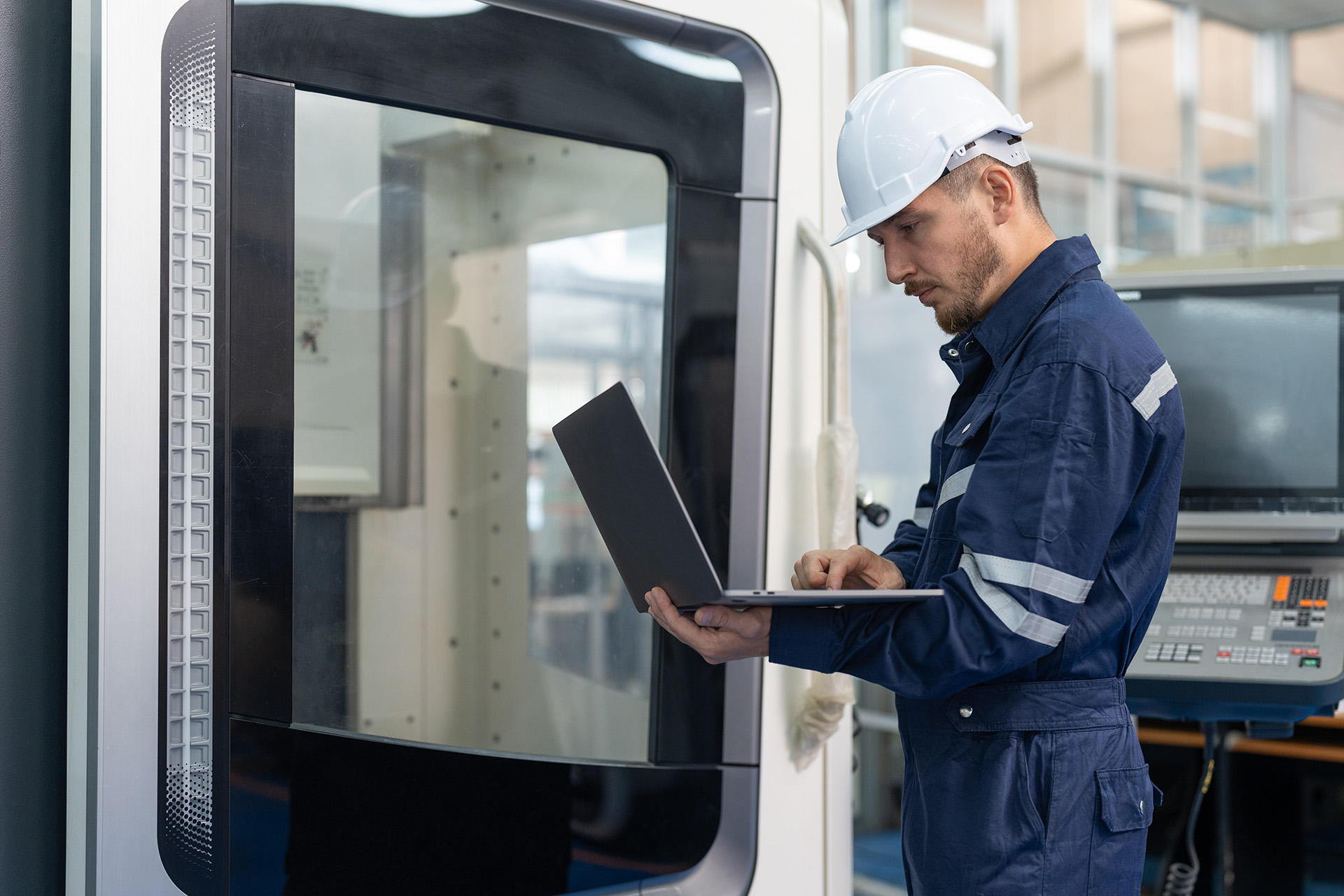
8. User-Friendly Interfaces with Comfort Features (Dark Mode)
User experience is becoming a top priority, and CAD/CAM developers are working to create interfaces that are not only functional but also comfortable to work in. In 2025-2026, more software platforms will offer user-friendly interfaces with customizable options, including the popular dark mode, which reduces eye strain and enhances focus during long programming sessions. This attention to operator comfort ensures that users can work more efficiently and with fewer distractions.
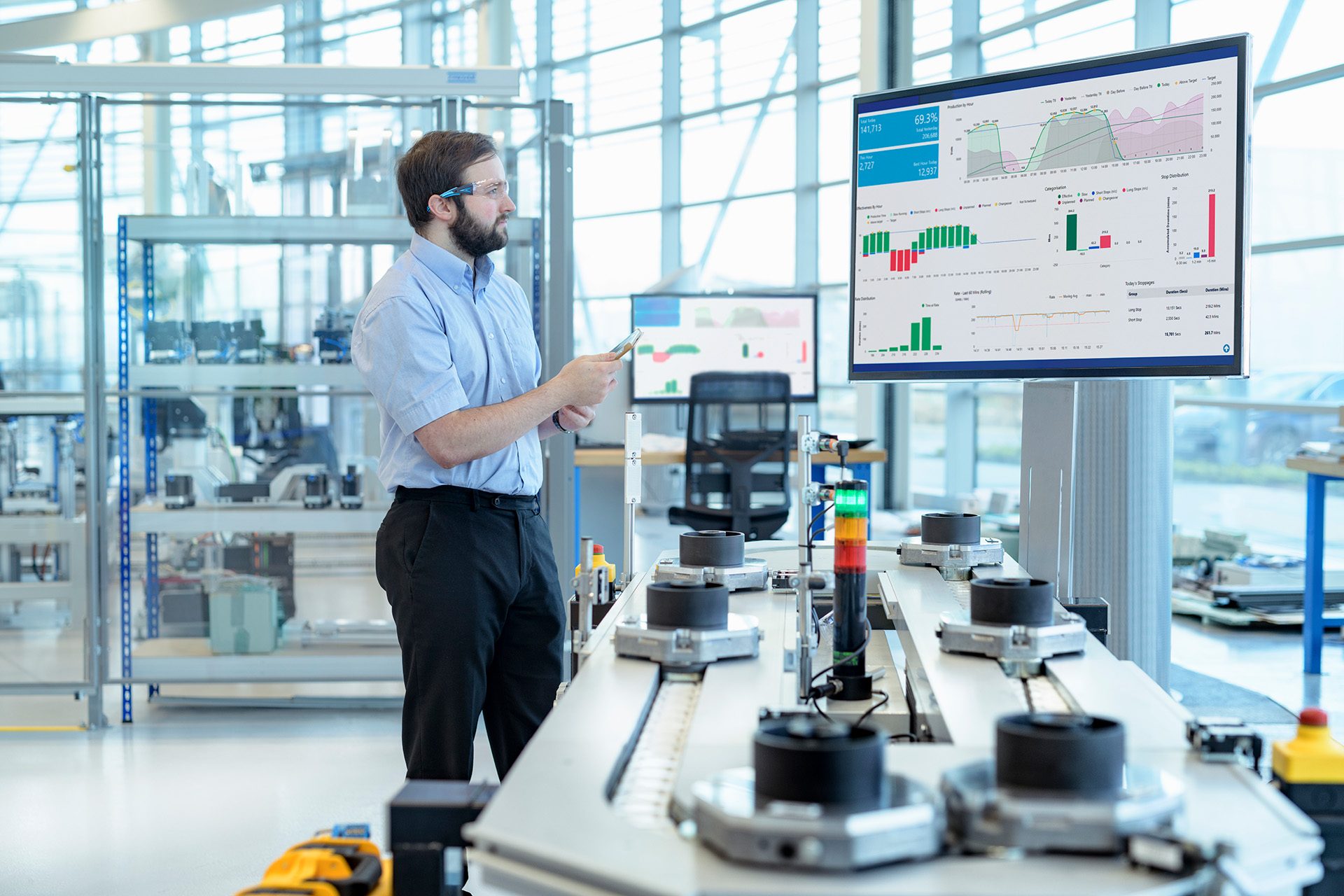
9. Real-Time Data Feedback
The integration of IoT (Internet of Things) devices within manufacturing processes is enabling real-time data feedback to be fed back into CAD/CAM systems. In 2025-2026, this data loop will help operators monitor operations more closely, make real-time adjustments, and maintain optimal machine conditions. This trend is set to enhance process reliability and reduce downtime through continuous process monitoring and adaptive machining.
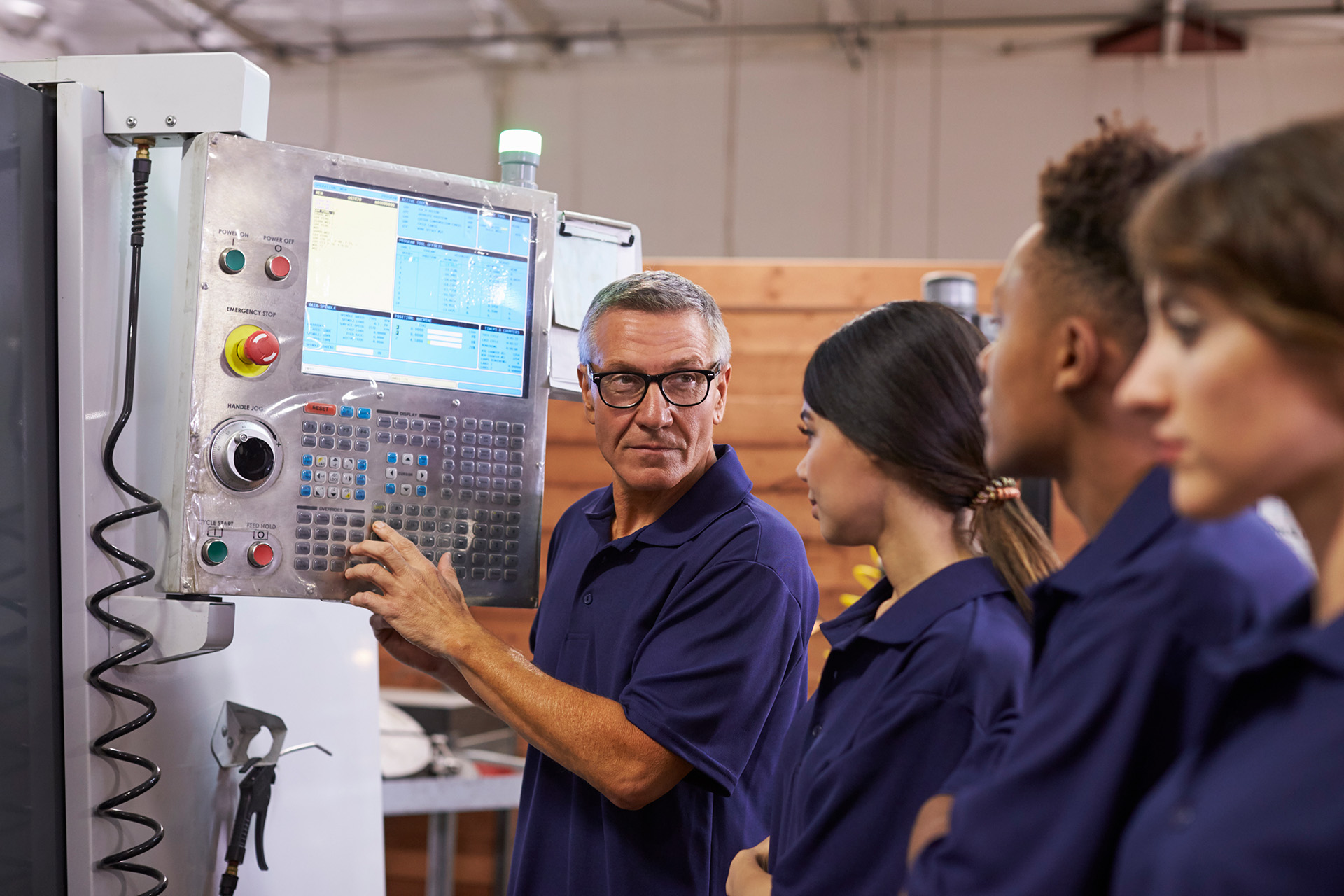
10. Focus on User Education and Training
As CAD/CAM systems become more sophisticated, the importance of proper training and education becomes more critical. In 2025-2026, software providers will continue to expand their educational resources, offering interactive tutorials, virtual training environments, and certifications. This focus ensures that users can keep up with technological advancements and harness the full potential of modern CAD/CAM tools.
Conclusion
The CAD/CAM landscape is undergoing significant changes as it moves into 2025-2026. The latest trends described here show how quickly expectations are shifting: from isolated desktop tools toward connected platforms that understand the entire lifecycle of a part, from design through verification to execution on the shop floor and in the wider factory environment.
For engineering teams, keeping pace with these developments means rethinking how projects are defined and executed. Rather than treating CAD, process planning, simulation, and robot programming as separate stages, companies are increasingly designing workflows where data flows consistently through modern platforms from day one, supported by robust CAM software and tightly integrated automation.
ENCY matches 2025-2026 CAD/CAM trends with its advanced automation, AI, hybrid manufacturing, and cloud collaboration tools. Solutions like ENCY Tuner enhance workflows with accurate G-code simulation and validation.
With support for multi-axis machining and digital twins, ENCY ensures efficient production through an intuitive interface and cutting-edge technology, positioning it as essential for modern manufacturing and ready to adapt as future trends continue to reshape the industry.

Author


No results available

Go beyond CAD/CAM

Back to top